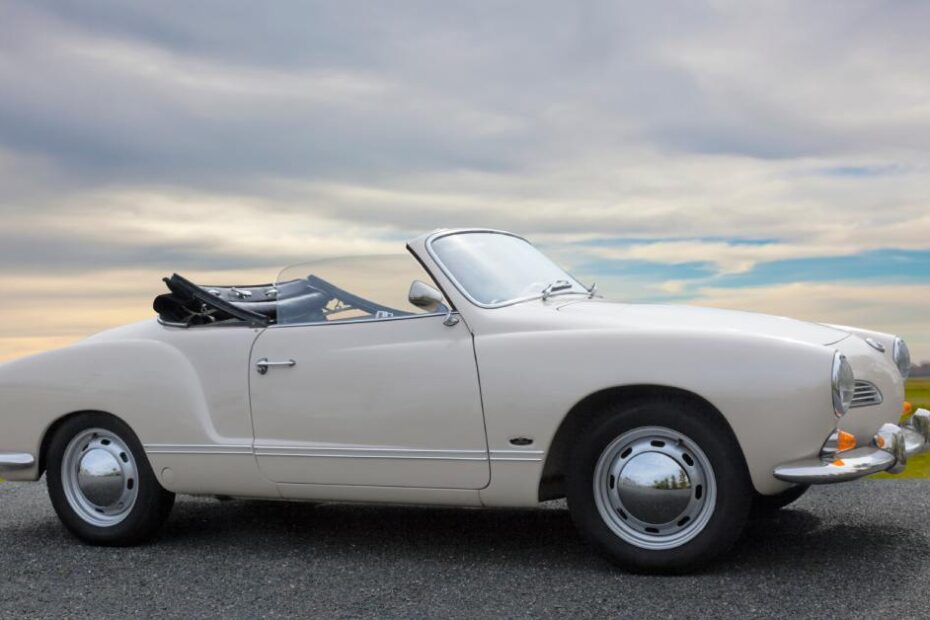
Volkswagen sold more than one Karmann Ghia, and each line carries its own parts needs and restoration priorities. Most enthusiasts picture the Beetle-based Type 14, but Volkswagen also produced the larger Type 34 on the Type 3 platform, plus Brazil-built versions with their own timelines and details. Volkswagen introduced the Type 14 in the mid-1950s and ended German production in the mid-1970s, while the Type 34 ran through the 1960s. Here are the different types of VW Karmann Ghia models and variants to know if you’re interested in these vehicles.
Type 14: The Classic Beetle-Based Coupe And Convertible
The Type 14 defines the Karmann Ghia name in North America, and it shares core mechanical DNA with the Beetle. That shared foundation helps parts sourcing for brakes, suspension, and many engine components, but the body and trim bring unique challenges. Production began in 1955, and Volkswagen added the convertible a few years later.
Restoration planning benefits from splitting the Type 14 into early and late eras. Volkswagen changed exterior stampings, lighting positions, bumpers, and trim over time, and those changes drive fitment for seals, lenses, and body pieces.
Early Type 14 “Lowlight” Cars
Enthusiasts often call the earliest Type 14 cars “lowlights” because the headlights sit lower than later models. Volkswagen raised and moved the headlights at the end of the 1950s, and the change affects fenders, headlight buckets, rings, and related trim. Many early details also differ in grilles and small brightwork, which makes correct-year sourcing important for a period-accurate look.
Lowlight restoration often focuses on the front end and lighting pieces first. Early front sheetmetal and trim demand careful inspection for prior repairs, since decades of minor impacts can distort mounting points. Accurate seals and gaskets matter as much as metalwork, because water intrusion accelerates rust in the nose and rocker areas.
Mid-Cycle Updates: 1960s Styling And Trim Shifts
Volkswagen introduced visible exterior updates in the early 1960s that changed the Type 14’s face and lighting. The company repositioned headlights higher and revised front grilles, and the taillights also evolved as regulations and styling moved forward. These changes create clear breakpoints for sourcing lenses, housings, and wiring details.
The 1960s also brought mechanical updates that restorers often pair with safety and drivability upgrades. Engine displacement and output increased across the decade, and Volkswagen also adjusted gearing and related components by year. A correct-match approach preserves originality while still allowing reliable daily use when the rebuild follows factory specs.
Late Type 14: Bigger Lights, Bigger Bumpers, U.S. Compliance Changes
Late Type 14 Ghias look noticeably different from earlier cars, even from a distance. Volkswagen enlarged taillights around 1970 and continued enlarging them into the final years, and the company also moved to chunkier bumpers in the early 1970s. U.S.-market requirements influenced bumper designs and other details, so imported cars and U.S. cars can show different parts needs.
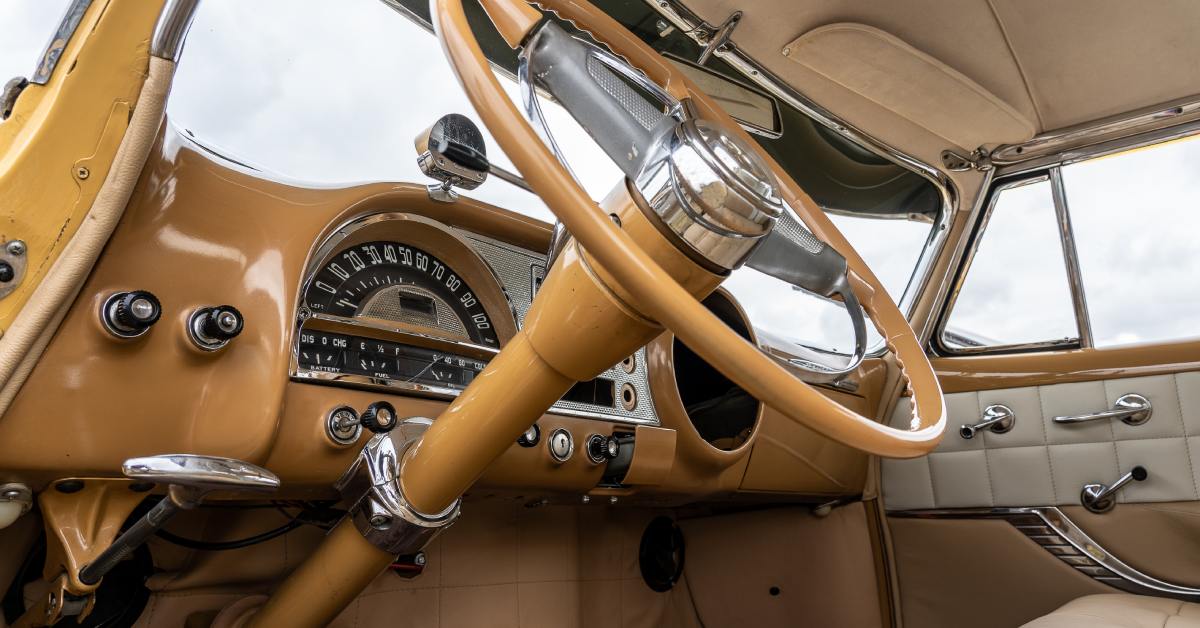
Late cars often simplify restoration decisions but complicate others. Larger lamps and later bumper systems make certain trim pieces easier to find, yet those same items require correct brackets, seals, and mounting hardware for clean fitment. Interior changes also appear in late production, so upholstery and interior panels should follow the specific year’s pattern rather than a generic “late model” assumption.
Type 14 Convertible: Extra Structure, Extra Weather-Sealing Priorities
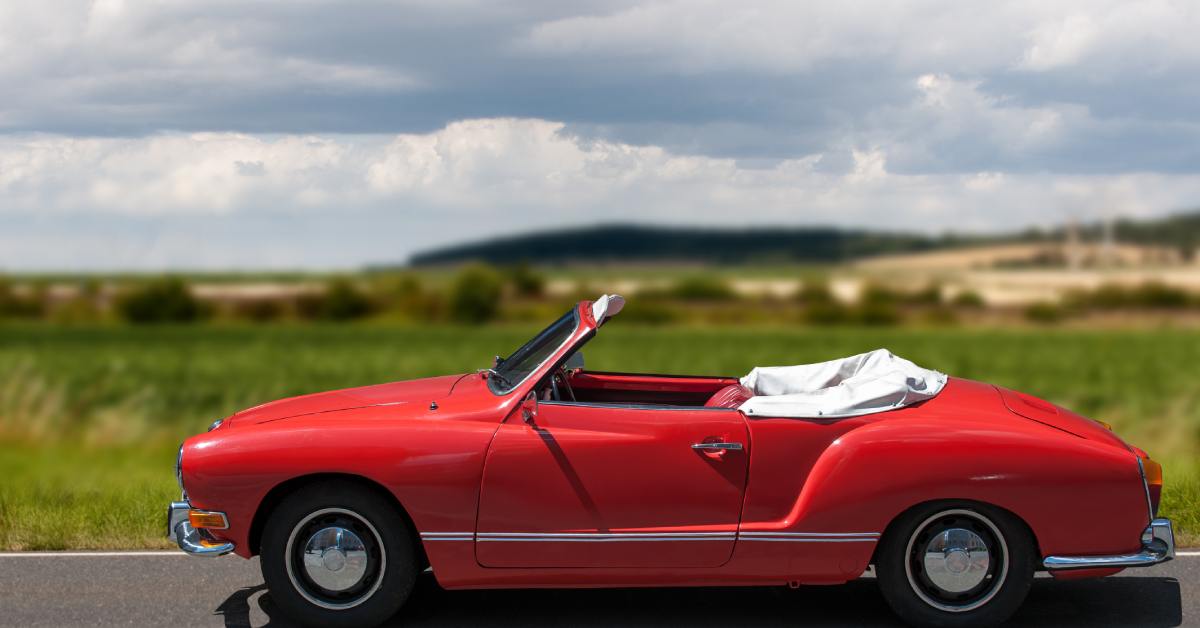
Volkswagen introduced the Karmann Ghia convertible in the late 1950s, and the open body created its own engineering needs. Convertibles require additional reinforcement and demand top-specific parts that coupes never use, including seals, pads, and frame-related hardware.
Convertible buyers should inspect the car with parts availability in mind. Rust in heater channels and structural areas impacts door fit and top sealing, which can cascade into bigger repair work. A sound foundation supports correct gaps, smooth glass movement, and a top that latches cleanly without forcing the frame.
Type 34: The “Big” Karmann Ghia On The Type 3 Platform
Volkswagen positioned the Type 34 above the Type 14 as a more upscale, Type 3-based Karmann Ghia. It carried sharper 1960s design language and offered more space than the Beetle-based car, while using Type 3 mechanical architecture. Volkswagen began Type 34 production in the early 1960s and ended it before the decade closed.
A Type 34 shares less with the Beetle than a Type 14 does, so suspension, engine, and many underbody components track closer to Type 3 specifications. Body trim and lighting also differ significantly, so restorers benefit from sourcing model-specific pieces early in the project to avoid long delays.
Brazil-Built Karmann Ghias: Local Production, Local Variations
Brazil built Type 14-based cars for years, then offered the Karmann Ghia TC as a distinct coupe variant in the 1970s. These cars can appear in the U.S. through private imports, and they often mix familiar Volkswagen engineering with region-specific trim and body elements.
A Brazil-built Ghia restoration works best with careful identification of origin and year. Owners should verify chassis, body tags, and lighting and bumper designs before ordering cosmetic parts. That verification prevents the common problem of ordering German Type 14 pieces that do not match Brazilian stampings or supplier differences.
Variant Details That Matter Most For Parts Fit
Karmann Ghia variants differ most in exterior lighting, bumpers, trim, and body sealing surfaces. Headlight position changes define early versus later Type 14 cars, while late taillight and bumper revisions create additional breakpoints. Convertibles add top components and sealing needs, and Type 34 and Brazilian variants introduce broader platform and body differences.
A successful build also depends on choosing the correct “spec” for the car’s market. U.S. compliance changes influenced late bumpers and other details, so a U.S.-delivered car can require different components than a European-market counterpart of the same year. Documentation and careful visual checks protect both authenticity and budget.
Buying And Restoring With The Right Model In Mind
Shoppers who love the early look often gravitate toward lowlight Type 14 cars, but those models demand more attention to correct-year metal and trim. Late Type 14 cars offer a more modern appearance and often align with later safety-driven exterior parts, though year-correct hardware still matters. Type 34 cars attract collectors who want rarity and Type 3 underpinnings, and Brazilian models appeal to enthusiasts who want something less common at shows.
Year, market, and body style determine which seals, lenses, bumpers, and trim will fit without modification. Understanding the different types of Karmann Ghia models and types when selecting parts protects paint, prevents leaks, and keeps panel gaps consistent.
Get The Right Parts For The Right Ghia
M & T Manufacturing has supported Volkswagen restorers since 1975 and continues to focus on classic VW models, including Karmann Ghia convertibles and coupes.
When restoration plans call for dependable sourcing and fit,VW Karmann Ghia parts from a supplier that understands model-year differences can keep the project moving.
Contact M & T Manufacturing to match the correct components to the exact Karmann Ghia model and variant and to keep the build accurate from the first order to final assembly.