The classic car world often focuses on icons like the Porsche 911, Ford Mustang, and VW Beetle. However, hidden beneath the Beetle’s fame and the Microbus’s cultural status lies another ingenious Volkswagen creation: the Type 3. Introduced in 1961, it marked a major step forward, offering more space, power, and a more conventional design than its predecessor.
Despite these advancements, the Beetle still overshadows the Type 3. Collectors often overlook it in favor of the more recognizable Type 1 or Type 2. However, the VW Type 3 delivers a surprisingly modern driving experience for an air-cooled vehicle and deserves recognition as both a historical feat and a worthy collector’s car.
Historical Context of the VW Type 3
Moving Beyond the Beetle
By the late 1950s, Volkswagen faced a dilemma. The Beetle was a global success, but it was aging. The company needed a car that could appeal to families who wanted more comfort and luggage space than the Beetle could provide. Volkswagen did not want to abandon the air-cooled, rear-engine reliability that built their reputation. They needed a middle ground between the basic Beetle and larger luxury cars.
The Debut at the Frankfurt Motor Show
Volkswagen unveiled the Type 3 at the Frankfurt Motor Show in 1961. They launched it initially as the Notchback, followed by the Fastback, and the Squareback (Variant). This variety allowed VW to target different segments of the market simultaneously. The car retained the core VW DNA but wrapped it in a pontoon-style body that looked much more like a standard car of the era.
A Global Presence
While production started in Germany, the Type 3 found homes across the globe. It became particularly popular in markets where buyers needed a robust vehicle that could handle rough roads but offered more refinement than a basic economy car. Its production run lasted until 1973, overlapping significantly with the Beetle but never surpassing it in sales volume.
Unique Features and Innovations
The Pancake Engine Design
The most significant engineering feat of the Type 3 was the “pancake” or “suitcase” engine. Volkswagen engineers took the standard air-cooled flat-four and redesigned the cooling fan arrangement. They mounted the fan on the end of the crankshaft, which allowed the engine profile to drop significantly. This low-profile packaging created a rear cargo area above the engine, a feature the Beetle lacked completely.
Dual Cargo Areas
This engine placement gave the Type 3 a distinct advantage: two trunks. Owners could store luggage in the front as well as the rear boot. The Squareback model utilized this best, effectively becoming one of the first compact station wagons. This practicality made the Type 3 an incredibly versatile family vehicle for the 1960s.
Suspension and Comfort Improvements
Volkswagen also upgraded the suspension system for the Type 3. They utilized front torsion bars, which differed from the Beetle’s beam axle setup. This change improved ride quality and handling stability. The interior received better sound insulation and higher-quality materials, making highway cruising far less fatiguing than in the louder, bouncier Type 1.
Electronic Fuel Injection
In 1968, the Type 3 became the first mass-produced German car to feature electronic fuel injection. The system improved fuel efficiency and cold-start reliability. It demonstrated that Volkswagen was willing to push technological boundaries, even in their mid-range family sedans.
Collectibility and Market Trends
Current Market Valuation
The market for classic Volkswagens has exploded in recent years. While split-window buses fetch six figures and pristine early Beetles command high prices, the Type 3 remains relatively affordable. Good drivers can still be found for reasonable sums, though prices are steadily climbing. This affordability makes it an attractive entry point for new collectors.
Scarcity and Rarity
The Type 3 is often rarer than the Beetle today. Because they were seen as practical family haulers rather than cultural icons, many were driven into the ground. Rust claimed many Type 3s, particularly in damp climates. Finding a rust-free, original example is becoming increasingly difficult, which drives up the value of survivors.
Growing Interest at Shows
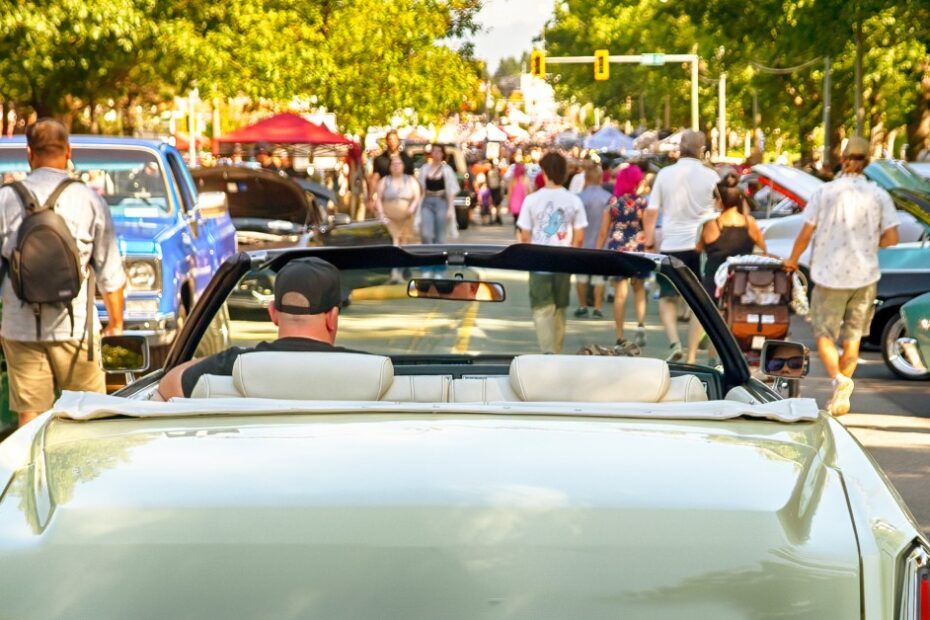
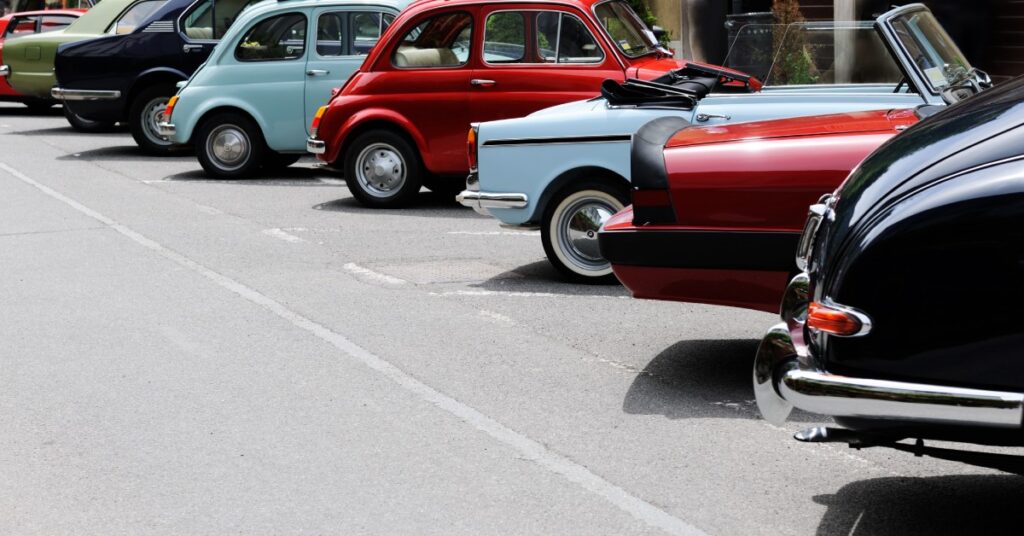
Car shows are starting to reflect a shift in interest. Enthusiasts are bringing more Notchbacks and Squarebacks to VW-specific events. These cars draw crowds because they break the monotony of endless rows of Beetles. The appreciation for the Type 3’s clean lines and unique engineering solutions is growing among serious collectors.
Comparison with Other Classic VW Models
Type 3 vs. The Beetle (Type 1)
The Beetle charms with its curves, but the Type 3 wins usability. It offers more shoulder room, better visibility, and a more compliant ride. For a collector who actually wants to drive their classic car, the Type 3 is the superior choice.
Type 3 vs. The Bus (Type 2)
The VW Bus is a lifestyle vehicle, often associated with camping and surf culture. The Type 3 shares much of the mechanical simplicity of the VW Bus but drives much better. It handles crosswinds with ease and accelerates faster, making it far less stressful to drive in modern traffic conditions.
Type 3 vs. The Karmann Ghia (Type 14)
The Karmann Ghia shares the Type 1 chassis but sports a beautiful Italian-designed body. It is arguably the best-looking air-cooled VW, but it lacks practicality. The Type 3, particularly the Fastback, offers sporty styling that rivals the Ghia but includes usable back seats and luggage space.
Advice on Purchasing and Maintaining a VW Type 3
Inspecting for Rust
Rust is the primary enemy of the Type 3. Potential buyers must inspect the heater channels, floor pans, and the areas around the fenders. The front shock towers are also critical structural points that tend to rot. Repairing bodywork on a Type 3 can be expensive due to the scarcity of high-qualityVW Type 3 body parts compared to the Beetle.
Interior Specifics
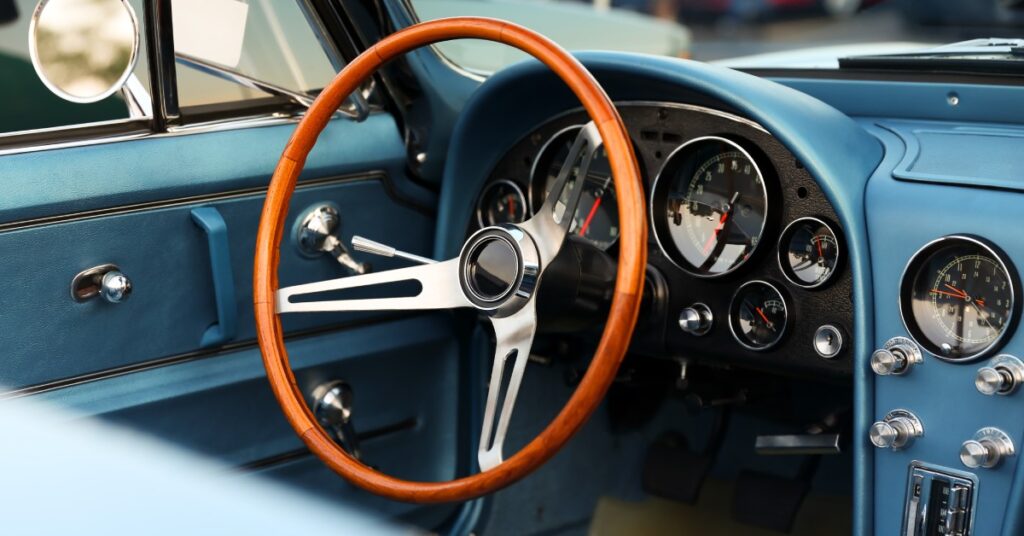
Type 3 specific interior parts are harder to source than mechanical components. Check the condition of the dash pad, door cards, and seat upholstery. Cracked dashes are common and expensive to replace correctly. Buying a car with a complete interior will save significant time and money during restoration.
Mechanical Availability
The mechanical parts are the easiest aspect of Type 3 ownership. Because it shares engine architecture with the Beetle, engine parts are widely available. However, specific components for the cooling system and the fuel injection system can be tricky. Many owners convert the fuel injection to carburetors for simplicity, but keeping the original injection system adds value.
The Volkswagen Type 3 hits a sweet spot in the classic car world. It blends the charm and simplicity of the air-cooled era with a more modern driving experience, showcasing Volkswagen’s ability to innovate within its engineering limits. This is why the VW Type 3 deserves more collector attention and why many VW fans are seeking this model out.
For those wanting a classic that stands out, the Type 3 is an excellent choice, representing a sophisticated evolution of the VW philosophy. You can browse high-quality replacement VW Type 3 body parts for all your restoration needs at M&T Manufacturing today.