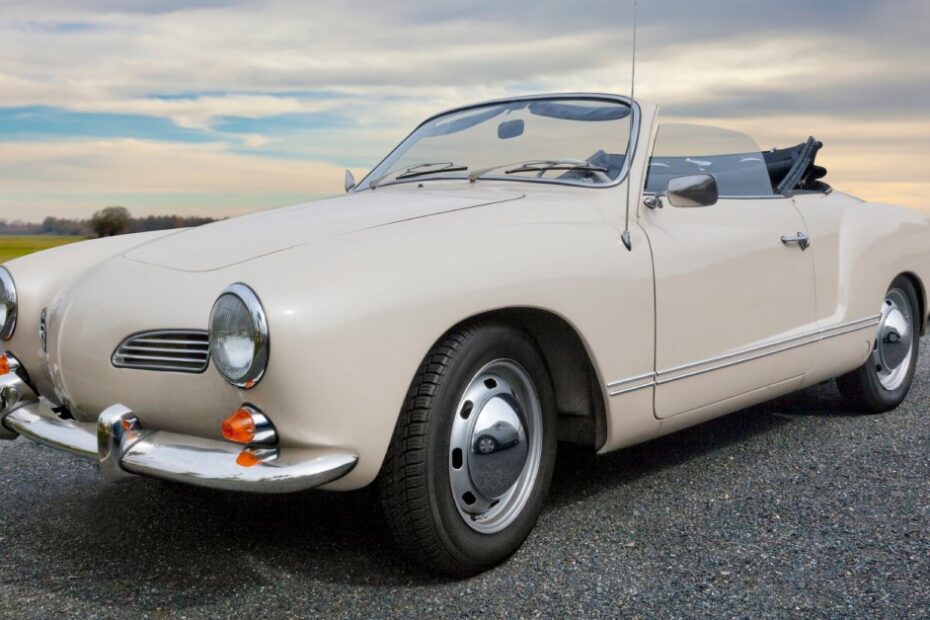
Few automotive designs capture the essence of 1960s European elegance quite like the Volkswagen Karmann Ghia. This sleek coupe emerged from an unlikely partnership between German engineering and Italian artistry, creating a vehicle that would become one of the most beloved classics on the road. Understanding the history of the Volkswagen Karmann Ghia coupe reveals not just the story of a beautiful car but the tale of automotive innovation during a transformative period in design.
Origins: A Collaboration Across Borders
The story of the Karmann Ghia begins in the 1950s, when Volkswagen sought to expand beyond the utilitarian Beetle. The company recognized that a more stylish, aspirational model could broaden its reach. Volkswagen partnered with two major players: Italian design house Carrozzeria Ghia and German coachbuilder Karmann.
This collaboration turned out to be one of the most successful partnerships in automotive history. Volkswagen provided the reliable Beetle chassis and engine, Ghia delivered Italian styling expertise, and Karmann executed the precise manufacturing. Together, they created a car that blended everyday practicality with continental sophistication.
The prototype debuted in 1953, immediately turning heads. Critics praised its sleek lines and luxurious presence, despite its modest underpinnings. The design embodied the optimism of the 1950s, capturing attention not just in Germany but globally.
Early Production and Launch
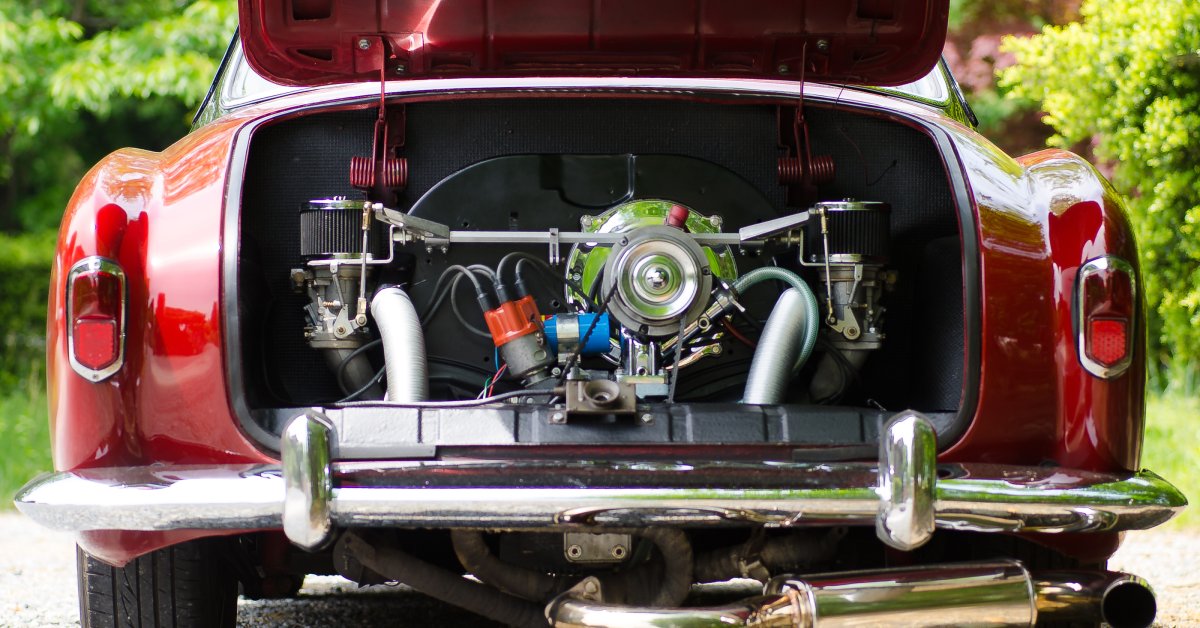
Volkswagen unveiled the first Karmann Ghia Coupe to the public in 1955. Built on the Beetle’s platform, it featured the same rear-mounted, air-cooled flat-four engine. The performance was modest, but performance was never the main goal. Instead, the car’s appeal lay in its aesthetics.
Its low, curving roofline, subtle chrome accents, and hand-finished body panels elevated it above Volkswagen’s other offerings. Karmann’s expertise in coachbuilding ensured that each vehicle maintained precision and quality. The Karmann Ghia fit perfectly during a time when post-war prosperity fueled demand for cars with flair.
Demand exceeded expectations. Volkswagen originally projected modest production numbers, but customers around the world lined up to purchase one. By the late 1950s, the Karmann Ghia had established itself as a desirable and fashionable car.
Evolution Through the 1960s
The 1960s brought refinements and updates that helped the Karmann Ghia remain fresh. While the basic design stayed consistent, Volkswagen introduced subtle styling changes and improved mechanical components.
- 1961 update: Larger taillights and front grilles gave the car a slightly modernized appearance. Interior appointments also improved, reflecting rising consumer expectations.
- Mid-1960s performance enhancements: Engine displacement grew alongside the Beetle’s updates, offering incremental increases in power and drivability. Though still not a sports car by definition, the Ghia provided an enjoyable, relaxed driving experience.
- Design consistency: Volkswagen resisted radical changes. The Karmann Ghia’s enduring appeal lay in its timeless styling, which remained remarkably consistent throughout its production run.
During this era, the coupe also found favor with a wide audience. It appealed to young professionals seeking style, families wanting a second car, and enthusiasts who admired its European charm.
The Convertible Joins the Lineup
In 1957, Volkswagen expanded the Karmann Ghia line with a convertible version. Like the coupe, it gained instant popularity thanks to its elegance and practicality. The open-top design highlighted the car’s Italian styling even more, making it a fashionable choice in markets like California, where sunny weather encouraged top-down motoring.
The coupe and convertible versions together strengthened the car’s identity as more than just a “fancier Beetle.” They stood on their own as unique, stylish automobiles, cementing the Karmann Ghia’s reputation.
Global Impact and Popularity
The Karmann Ghia was never the fastest car on the road, but it didn’t need to be. Its beauty, reliability, and affordability made it accessible to a broad audience. The car developed a strong following, especially in North America.
Magazines of the time frequently praised the Ghia’s balance of design and practicality. Hollywood stars were seen driving the car, which only added to the Ghia’s allure. It became a car that symbolized tasteful sophistication without extravagance.
By the end of the 1960s, production numbers had climbed steadily. The Karmann Ghia had firmly established itself in the global market, proving that design-driven vehicles could succeed even when based on modest mechanicals.
The 1970s: Final Years of Production
The 1970s brought further refinements, including safety updates such as larger bumpers and improved lighting. Emissions regulations also influenced engine performance, as Volkswagen adapted to new environmental standards.
Though the Karmann Ghia remained attractive, changing consumer tastes eventually caught up with it. Buyers in the 1970s sought larger, more powerful vehicles, and Volkswagen itself shifted focus to newer models, such as the Scirocco and Golf. In 1974, Volkswagen ended production of the Karmann Ghia Coupe and Convertible, leaving a legacy of timeless design and enduring admiration.
Restoration and Preservation
Because of its lasting popularity, the Karmann Ghia enjoys strong support in the restoration community. Many enthusiasts dedicate themselves to preserving these cars, sourcing original parts, and restoring vehicles to their former glory.
This is why companies like M&T Manufacturing are invaluable. From body panels to trim, our Karmann Ghia restoration parts help enthusiasts revive the car’s beauty and maintain its presence for future generations.

Why Enthusiasts Still Love the Karmann Ghia Coupe
Several factors explain the car’s enduring appeal:
- Timeless design: Its sleek, elegant curves remain stylish decades later.
- Approachability: The Ghia offers classic car ownership without the prohibitive costs often associated with exotics.
- Cultural icon status: Appearances in film, television, and popular culture keep it relevant.
- Driving experience: While not a performance car, it delivers a relaxed, enjoyable ride that connects drivers to the road.
These qualities ensure that the Karmann Ghia doesn’t become just a tired relic of the past. Instead, the car continues to embody an ideal blend of design, reliability, and charm.
A Car That Defined Style
Looking back at the history of the Volkswagen Karmann Ghia Coupe, it’s clear why the car remains an icon. Born from an ambitious collaboration, it offered beauty and accessibility at a time when the automotive world was rapidly changing. Its graceful lines, approachable driving experience, and strong cultural presence cemented its place in history.
The Karmann Ghia represents far more than a simple vehicle to those who own, restore, or simply admire this car. It symbolizes creativity, international cooperation, and timeless design. With the right care and support from dedicated parts suppliers, the legacy of the Karmann Ghia Coupe will continue to thrive on roads and in collections worldwide.