
The VW Type 3 Fastback remains a beloved icon among vintage car enthusiasts. This vehicle is known for its unique styling and air-cooled engine, and continues to attract attention decades after its debut. Whether you regularly drive your Fastback or keep it stored for special occasions, knowing how to maintain and store your VW Type 3 Fastback model is key to preserving its charm, performance, and long-term value.
Mechanical Maintenance: Keep the Engine Happy
The Type 3 Fastback features a rear-mounted, air-cooled engine—a hallmark of vintage VW engineering. Unlike modern engines, it doesn’t rely on coolant, so temperature regulation depends on engine condition, airflow, and oil performance. Therefore, regular upkeep is essential.
Oil Changes & Fluid Checks
Start with the basics. Change the oil every 3,000 miles or at least once a year if you drive infrequently. Use high-zinc oil formulated for flat-tappet engines to prevent premature wear. Don’t forget to check and change the transmission oil and brake fluid. Old fluids can absorb moisture, reduce braking effectiveness, and corrode internal components.
Valve Adjustment & Ignition Tuning
The air-cooled engine demands attention to detail. Do valve adjustments every 3,000 miles. Improperly adjusted valves can result in poor performance and costly damage. Check the ignition system, including points, condenser, rotor, and distributor cap, and replace worn components. A well-tuned ignition ensures easy starts and better fuel efficiency.
Carburetors & Fuel System
Many Type 3 Fastbacks came with dual carburetors. Synchronizing these carbs is critical for smooth operation. Old fuel can clog jets or cause starting issues the longer your car goes unused. Drain the fuel, clean or rebuild the carburetors if necessary, and inspect the fuel lines and fuel filter. Use ethanol-free fuel when possible to minimize degradation.
Electrical System
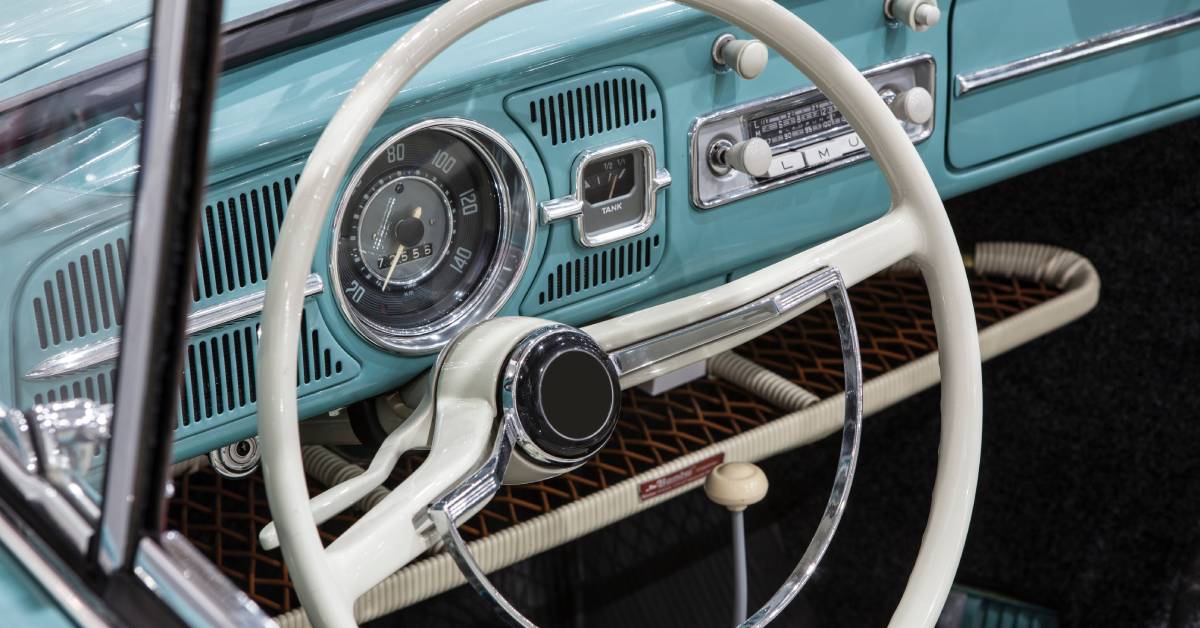
The Type 3 Fastback’s electrical system can be tricky, especially if someone modified the wiring over the years. Keep battery terminals clean and inspect the battery for proper voltage. Vintage VWs are notorious for poor grounds, so clean all connections and apply dielectric grease.
Replace any cracked or dry-rotted wiring and test the charging system to ensure it is functioning properly. It’s best to replace your generator or voltage regulator with high-quality components if it’s acting up. Upgrading to a 12-volt system (if your car still runs on 6 volts) can also improve reliability without compromising authenticity.
Brakes & Suspension: Don’t Cut Corners
Vintage cars don’t stop like modern ones, and poorly maintained brakes exacerbate the situation. The Fastback utilizes drum brakes in the rear and may feature discs in the front, depending on the model year.
Inspect and replace soft brake hoses, wheel cylinders, and master cylinders as needed. Flush the brake fluid at least every two years and always use DOT 3 or DOT 4 brake fluid—never mix the two.
Suspension & Steering
Check for worn bushings, torn CV boots, and sagging torsion bars. Rebuild or replace components to maintain ride quality and handling. Worn tie rods or issues with the steering box could be to blame if your car feels loose or wanders on the road. Rebuilding the front end makes a huge difference in drivability and safety.
Rust Prevention: The Invisible Threat
Controlling rust is one of the biggest challenges in learning how to maintain and store VW Type 3 Fastback models. These cars were not heavily rust-proofed from the factory, so corrosion can creep in from various places: floor pans, rocker panels, battery trays, wheel wells, and undercarriage seams.
Perform routine checks for bubbling paint or discoloration. Tap suspect areas with a screwdriver to detect soft spots. You can treat rust with rust inhibitors if you catch the issue early and seal areas with POR-15 or similar products.
Remember the drain holes in the front trunk and rear engine compartment. Make sure they’re not clogged with debris. Water buildup in these areas is a fast track to corrosion.
Exterior Care: Maintain Shine and Prevent Fading
Consistently caring for your Fastback’s paint, chrome, and rubber is essential to keep it looking sharp. Regularly wash your car, even if you don’t drive it often. Keep in mind that dust and airborne pollutants can cause damage to paint over time. Use pH-balanced automotive soap and soft mitts, along with microfiber towels, to prevent water spots. Wax your vehicle every few months to protect it from UV rays and environmental damage.
Rubber Seals and Trim
Weatherstripping often deteriorates with age. Inspect door seals and window rubbers for cracks or shrinkage and replace the seals as needed to prevent water leaks and wind noise. Make sure you clean the chrome trim with non-abrasive polish to avoid scratches.
Interior Preservation: Don’t Overlook the Cabin
Original upholstery and interior panels are becoming harder to find, so it’s worth preserving what you have. Frequently vacuum seats, carpets, and headliners. Treat vinyl and plastic surfaces with UV-protectant products. Apply conditioner to keep the material supple and soft for leather interiors.
Use a sunshade and crack the windows slightly to reduce interior heat and moisture buildup if your car will sit for long periods.

Proper Storage: Short-Term and Long-Term Considerations
Storing your VW Type 3 Fastback properly can mean the difference between a clean start-up and a costly repair project later. The ideal storage location is a dry, climate-controlled garage with good ventilation. Avoid storing your Fastback on dirt or gravel, which can trap moisture underneath.
Prep the Vehicle
Do the following before putting your Fastback into storage:
- Fill the fuel tank and add a stabilizer.
- Change the oil to remove contaminants.
- Inflate tires to the correct PSI.
- Disconnect or trickle-charge the battery.
- Close all air vents and intake openings to prevent rodents from entering.
- Place the car on jack stands to avoid flat spots on tires (especially for long-term storage).
- Open a window slightly and place moisture absorbers inside the cabin.
Sourcing Replacement Parts
Eventually, even with the best care, certain components will wear out. Obtaining high-grade VW Type 3 restoration parts from a reputable source can significantly enhance the performance of your Fastback. M&T Manufacturing provides a range of parts specifically designed for vintage Volkswagens, including seals, trim, suspension components, and more.
Take care of your car today. From regular oil changes to rust prevention and proper indoor storage, every small action you take can add years to your car’s life.