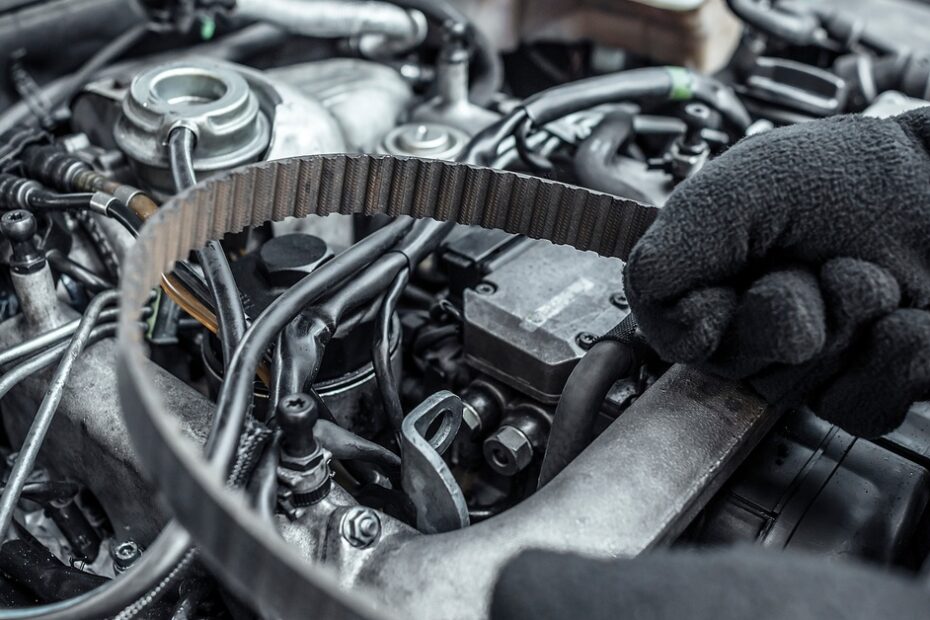
Restoring a classic Volkswagen Beetle forces you to make dozens of parts decisions that shape how the car looks, drives, and holds up over time. One of the biggest choices for your Volkswagen Beetle involves OEM versus aftermarket parts, and the right answer often depends on your goals for the car.
Identify what matters most for the specific vehicle, then match the parts to that plan. If you understand the strengths and weaknesses of both categories, you can avoid wasted money and rework.
What “OEM” and “Aftermarket” Mean for Beetle Restorations
When most people say OEM, they mean original equipment manufacturer parts that match what Volkswagen installed when the car was built. In the Beetle world, true OEM usually refers to genuine VW parts from the period, New Old Stock (NOS), or parts made by the original supplier to VW to the same specification.
Aftermarket refers to parts made by companies other than the original manufacturer or supplier. Some aftermarket pieces copy the original design closely, while others improve it or simplify production to reduce cost.
Why This Choice Matters More on Air-Cooled Volkswagens
Beetles look simple, but small differences in shape and material matter. A few millimeters can change door alignment, window seal tension, or how a convertible top frame sits, and those issues show up fast once you install glass and rubber.
Air-cooled cars also rely on correct fitment for cooling tin, engine bay seals, and body-to-chassis sealing. If you choose the wrong VW Beetle replacement parts in these areas, the car can run hotter and become harder to tune consistently.
OEM Parts Pros
Better Fit When You Find True OEM
Original parts usually match original stampings, hole locations, and contours. That matters for body panels, trim, latches, window regulators, and interior hardware where alignment affects function and appearance.
When the part fits correctly the first time, you save labor and avoid damaging paint or plating during repeated adjustments. On a DIY restoration, that time savings often outweighs the higher purchase price.
Correct Materials and Factory-Level Details
OEM parts often use the right gauge metal, correct rubber formulation for the era, and the factory-style finish. Details like edge profiles, molding lines, and bracket thickness matter when you want a period-correct look.
If you build a Beetle for shows or high authenticity, OEM are often the standard for visible components. Even on driver builds, OEM details can help the car operate smoothly in the way doors close and controls operate.
Strong Resale Value and Documentation
Buyers of restored Volkswagens ask about originality and parts quality. If you document OEM or high-quality OE-supplier parts in the build, you strengthen the car’s credibility.
That credibility translates into value, especially for early cars, special editions, or restored convertibles. A clean parts list can also make future repairs easier for the next owner.
OEM Parts Cons
Availability Can Slow Progress
OEM supply varies wildly by model year and part category. You can spend weeks searching for a single correct piece, and that delay can stall your entire project if the part affects sequencing.
This problem shows up often with trim, specific interior hardware, and certain body components. If you aim to drive the car within a season, you may need to mix OEM and aftermarket to keep momentum.
Higher Upfront Cost and Risk of Counterfeits
True OEM and NOS parts often carry premium pricing. That premium makes sense when the part solves a fitment problem, but it hurts when the part sits unseen under the car.
You also need to watch for misrepresented parts. Sellers sometimes label reproduction items as OEM, so you should verify packaging, markings, and supplier history before you pay top dollar.
Condition Issues on Used Originals
Used OEM parts can bring hidden problems like fatigue, corrosion, stretched threads, or worn pivots. If you buy used, inspect the part carefully. Sometimes you still need refinishing or rebuilding, which adds time and cost.
Aftermarket Parts Pros
Wider Availability and Faster Build Timelines
Aftermarket parts can keep a project moving when OEM supply dries up. For many common wear items, you can order what you need, install it, and get the car back on the road quickly.
This matters for DIY restorations where workspace and time sit at a premium. It also helps shops keep customer projects on schedule.
Lower Cost and Better Budget Control
Aftermarket options often cost less than OEM, and that allows you to allocate funds where they matter most. For a driver-quality Beetle, smart aftermarket choices can deliver strong results without overspending. The key involves choosing categories where reproduction quality stays consistent.
Improvements Over the Original in Some Areas
Some aftermarket manufacturers improve corrosion resistance, update materials, or tighten tolerances compared to parts made decades ago. You see this often with ignition components, certain suspension items, and upgraded sealing solutions. If you care more about reliability than factory-correct presentation, select aftermarket upgrades intentionally.
Aftermarket Parts Cons
Inconsistent Fit and Finish Across Brands
Aftermarket quality varies more than most people expect. One vendor’s panel can fit well, while another’s version of the same panel can require trimming, slotting holes, or reshaping edges.
That inconsistency can create frustration, especially with body panels, bumpers, trim, and rubber seals. Poor fit can also lead to wind noise, water leaks, and paint damage over time.
Material Differences That Affect Longevity
Some reproduction rubber dries out faster, and some plated parts rust sooner. You might not notice these issues right away, but they show up after a few seasons in the sun and weather.
Cheaper metal can also bend or fatigue earlier, especially on brackets, hinges, and seat components. If you install a part twice because it fails early, you’re no longer saving money.
Common Mistakes DIY Restorers Make With OEM and Aftermarket Parts
Many DIY restorers buy the cheapest reproduction rubber and install it after paint. That choice often leads to leaks, squeaks, and torn seals, plus rework that risks the finish.
Another common mistake involves installing reproduction panels without test fitting all related components. Always mock up doors, fenders, seals, and trim before final paint and assembly so you catch tolerance issues early.
People also overpay for “OEM” parts without verifying what they are. If you cannot confirm origin and condition, treat the part like a reproduction in your budget and expectations.
Where M&T Manufacturing Can Help
M&T Manufacturing has supported VW restorers since 1975 and focuses on the parts that keep classic Volkswagens on the road, including convertible and restoration components. We serve DIY restorers and professional shops nationwide, and that experience matters when you want parts that fit your project goals.
If you want help choosing VW Beetle replacement parts for your specific year and build style, work with a supplier that understands the small differences that make or break a restoration. Now that you know the pros and cons of OEM and aftermarket VW Beetle parts, browse M&T Manufacturing’s catalog and reach out with your project details so you can order the right parts the first time.