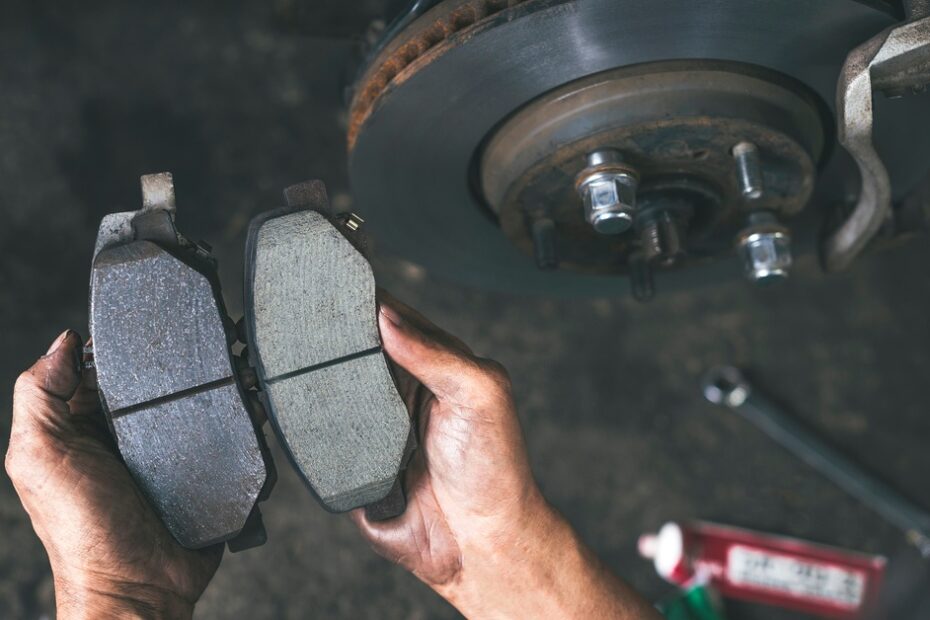
Your Volkswagen’s braking system is one of its most critical safety features, and the brake pads play a central role in how effectively your vehicle stops. When it comes time to replace them, you’ll face a key decision: should you choose OEM brake pads or go with an aftermarket option? Both have their merits, and understanding the differences can help you make an informed choice that aligns with your driving needs and budget.
This guide breaks down the key distinctions between OEM and aftermarket Volkswagen brake pads. We’ll explore performance characteristics, cost implications, longevity expectations, and the factors you should weigh before making your purchase.
Understanding OEM Brake Pads
OEM stands for Original Equipment Manufacturer, which means the same company makes these brake pads that produced the parts in your Volkswagen when it rolled off the assembly line. When you purchase OEM brake pads, you’re getting components designed specifically for your vehicle’s make and model.
These brake pads meet Volkswagen’s exact specifications and undergo rigorous testing to ensure they perform as intended. The manufacturing standards are typically high, and the parts come with a warranty that’s often honored at Volkswagen dealerships. For drivers who prioritize consistency and want to maintain their vehicle exactly as the manufacturer intended, OEM brake pads offer peace of mind.
Exploring Aftermarket Brake Pads
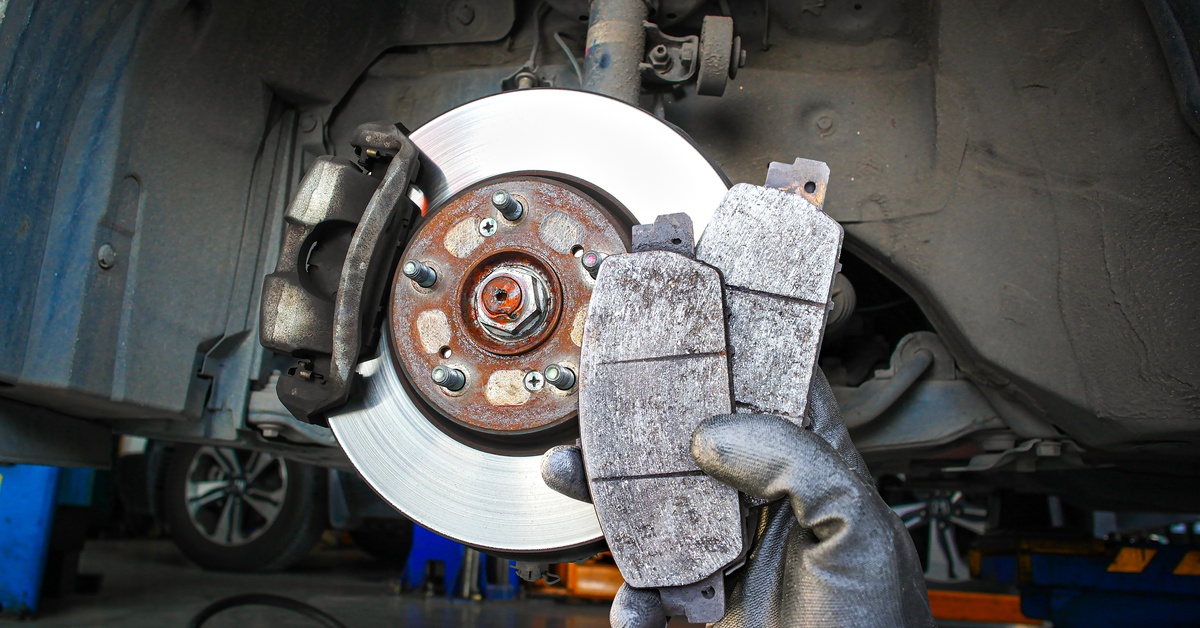
Third-party manufacturers produce aftermarket brake pads, rather than Volkswagen or its designated suppliers. These companies create brake pads designed to fit Volkswagen vehicles, but they’re not manufactured under the Volkswagen brand. The aftermarket industry is vast, with options ranging from budget-friendly alternatives to premium performance upgrades.
One advantage of aftermarket brake pads is the sheer variety available. Some aftermarket manufacturers focus on creating high-performance options that exceed OEM specifications, while others aim to provide cost-effective solutions for everyday drivers.
However, quality varies significantly across aftermarket brands. While reputable manufacturers produce excellent products, lower-tier options may use inferior materials or less precise manufacturing processes. This inconsistency makes research essential when considering aftermarket brake pads for your Volkswagen.
Performance Comparison
OEM brake pads deliver predictable, reliable performance that matches your Volkswagen’s original capabilities. They provide consistent stopping power across various driving conditions. This consistency is particularly valuable for drivers who’ve grown accustomed to how their Volkswagen handles.
Premium aftermarket brake pads can match or even surpass OEM performance, particularly in specialized applications. Performance-oriented aftermarket options may offer improved initial bite, better heat dissipation, or enhanced fade resistance under demanding conditions.
The trade-off with some aftermarket options is that they may alter your vehicle’s braking characteristics. A pad designed for maximum stopping power might generate more brake dust or produce squealing noises. Understanding these potential differences helps you choose brake pads that align with your priorities.
Cost Considerations
OEM brake pads typically command a premium price compared to most aftermarket options. You’re paying for the Volkswagen name, the assurance of exact-fit specifications, and the backing of the manufacturer’s warranty. For many drivers, this premium represents worthwhile insurance against compatibility issues or substandard performance.
Aftermarket brake pads span a wide price range. Budget options can cost significantly less than OEM parts, making them attractive for cost-conscious vehicle owners. Mid-range aftermarket pads often provide excellent value, but their performance may lower along with the lower price point.
When evaluating cost, consider the total ownership expense rather than just the initial purchase price. Cheaper brake pads that wear out quickly or require frequent replacement may ultimately cost more than investing in quality parts from the start.
Longevity Expectations
OEM brake pads are designed to provide a specific service life under normal driving conditions. Volkswagen engineers these components with longevity in mind, balancing stopping power, noise levels, and wear characteristics.
Aftermarket brake pad longevity varies dramatically based on the manufacturer and pad composition. High-quality aftermarket options may last as long as or longer than OEM parts, particularly those designed with advanced ceramic or semi-metallic compounds.
The material composition significantly impacts longevity. Ceramic brake pads tend to last longer and produce less dust, while semi-metallic pads offer excellent stopping power but may wear rotors faster. Understanding these material differences helps you select brake pads that match your maintenance preferences.
Driving Habits Matter
Your typical driving environment and style should heavily influence your brake pad choice. Urban drivers who frequently stop and start in heavy traffic place different demands on their braking system than highway commuters who make fewer, gentler stops.
Aggressive drivers who brake hard and late will wear through brake pads faster than those who anticipate stops and brake gradually. If you regularly drive in mountainous terrain or tow heavy loads, your brake pads endure significantly more stress than those on a vehicle used primarily for flat-road commuting.
Budget Constraints
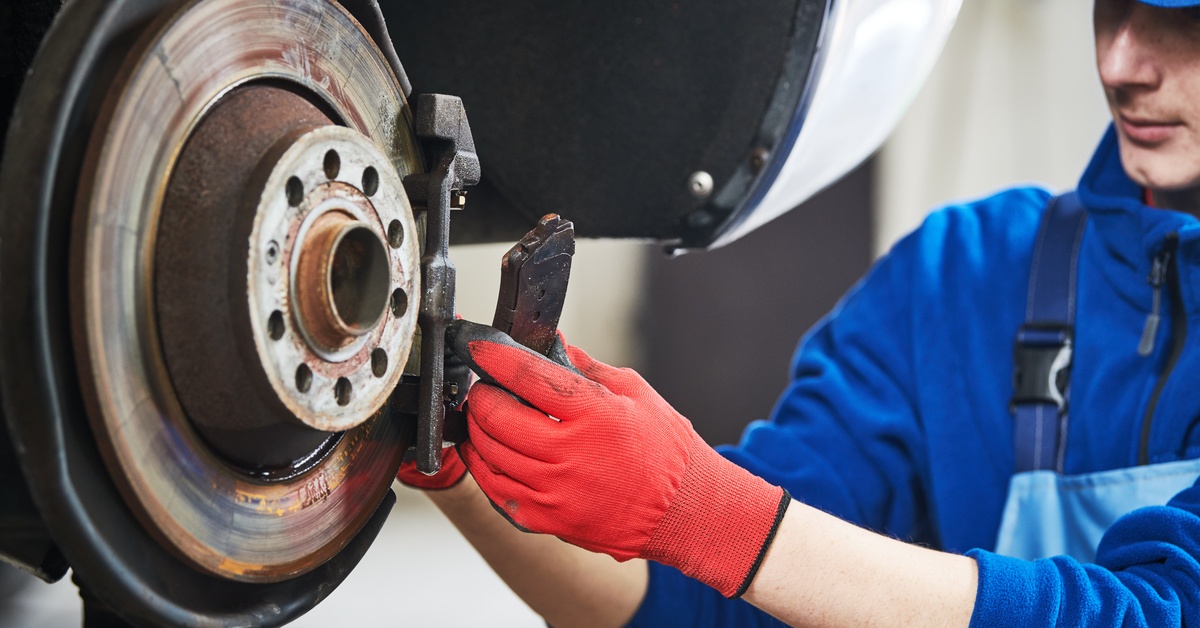
Your available budget will naturally play a role in your decision, but consider the broader financial picture beyond the initial purchase price. OEM brake pads may cost more upfront, but their predictable performance and longevity can make them cost-effective over time. They also eliminate concerns about compatibility or warranty complications at dealership service centers. Some vintage VW parts suppliers like M&T Manufacturing also carry quality brake pad options that balance affordability with performance.
Quality aftermarket brake pads offer an attractive middle ground, providing reliable performance at a lower cost than OEM parts. If budget constraints are significant, focusing on reputable aftermarket brands with strong customer reviews can help you find reliable options without the OEM price tag.
Expert Recommendations
Automotive professionals generally agree that sticking with OEM brake pads is the safest choice for most drivers. They guarantee compatibility, maintain your vehicle’s original performance characteristics, and simplify warranty concerns. If you plan to keep your Volkswagen for many years or want to preserve its resale value, OEM parts help maintain the vehicle’s integrity.
That said, reputable aftermarket manufacturers produce excellent brake pads that serve many drivers well. When considering aftermarket options, research the manufacturer’s reputation, read customer reviews, and verify that the pads meet relevant safety standards.
Where To Find Volkswagen Brake Pads
OEM Volkswagen brake pads are available through authorized dealerships and many online retailers specializing in genuine Volkswagen parts. Aftermarket brake pads are widely available through auto parts stores, online marketplaces, and specialty automotive retailers. Many parts stores and online shops like M&T Manufacturing employ knowledgeable staff who can help you identify compatible options for your specific Volkswagen model.
When purchasing brake pads, verify the fitment for your exact Volkswagen model and year. Brake pad specifications can vary even within the same model line, and installing incorrect pads can compromise your braking performance and safety.
Making the Right Choice for Your Volkswagen
Choosing between OEM and aftermarket brake pads ultimately depends on your priorities, driving habits, and budget. Whichever route you choose, prioritize quality over price and ensure the brake pads you select meet safety standards and fit your vehicle properly. Regular brake system maintenance and timely pad replacement will keep your classic Volkswagen stopping safely for years to come.