The Volkswagen Type 3 holds a unique place in automotive history, offering a more modern body style while retaining the classic air-cooled, rear-engine layout. A key component of this design is its transmission system. Proper maintenance is essential for ensuring the longevity and performance of your Type 3.
Keep reading for a comprehensive overview of how to maintain your VW Type 3 transmission. Following these procedures will help keep your classic car running smoothly and reliably for years to come.
Understanding the Type 3 Transmission
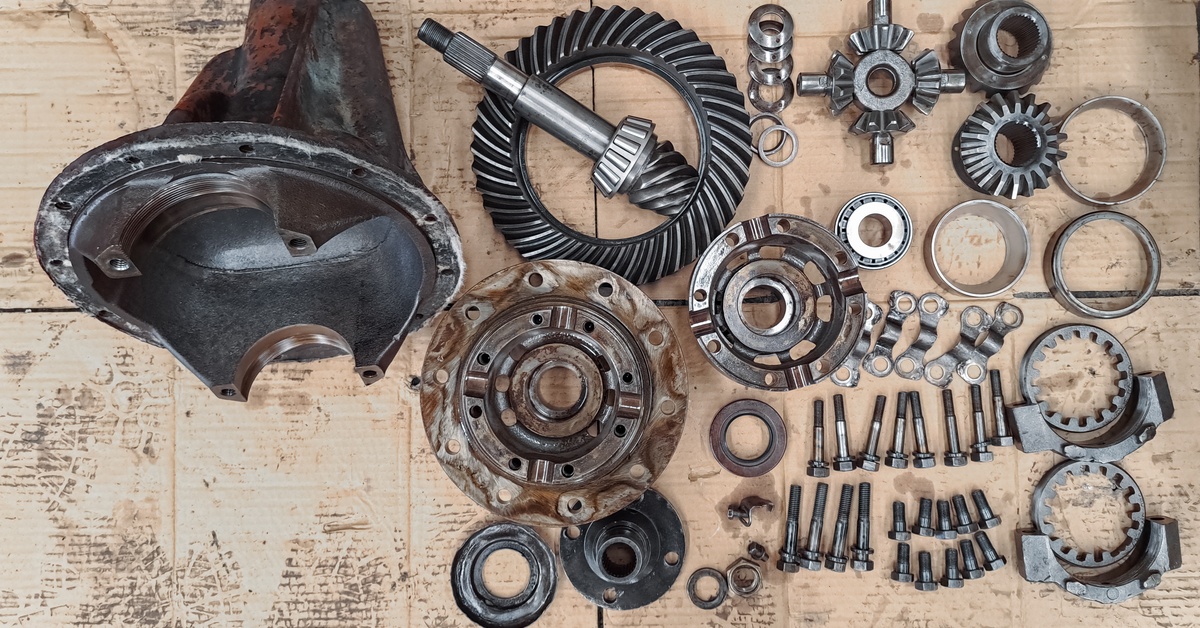
The VW Type 3 utilizes a distinctive transaxle design, an integrated unit that combines both the transmission and the differential within a single housing, strategically positioned at the rear of the vehicle. This compact design offers several advantages in terms of packaging and weight distribution, making it an efficient choice for the Type 3’s unique architecture.
However, this integrated system necessitates specific maintenance considerations to effectively address common issues, such as fluid leaks, which can compromise performance, and difficult shifting, which impacts drivability. Consequently, consistent and regular inspections plus diligent service are critical to proactively prevent premature wear and tear on these vital components and ensure the smooth operation of your classic Type 3.
Tools and Materials for Maintenance
Before you start any maintenance work, it’s crucial to gather all the necessary tools and materials to ensure a smooth process. Specifically, you will need a comprehensive set of metric wrenches to handle various fastener sizes, along with a socket set that includes a 17mm hex bit for specific plugs.
A reliable drain pan is essential for safely collecting old fluids, and a fluid pump or syringe will help you refill the transmission. Additionally, you will require fresh gear oil, which is vital for proper lubrication. If you are specifically planning to address any existing leaks, make sure to have new gaskets and appropriate replacement seals on hand.
Changing the Transmission Fluid
Changing the transmission fluid is a fundamental maintenance task. Start by warming up the car to ensure the oil flows easily. Place a drain pan under the transmission and remove the lower drain plug using a 17mm hex wrench, allowing the old fluid to drain completely.
Once drained, clean and reinstall the drain plug. Then, remove the upper fill plug and use a fluid pump to add new 80/90W gear oil until it begins to seep from the fill hole. Reinstall the fill plug, and you’ll have completed the fluid change.
Inspecting and Replacing Seals and Gaskets
Fluid leaks are a common problem and are often caused by worn seals and gaskets. Carefully inspect the axle seals, input shaft seal, and the various gaskets around the transmission case for any signs of leakage.
Replacing these components requires removing related parts, such as the axles or the engine. Always use new gaskets and seals during reassembly to ensure a proper seal and prevent future leaks.
Adjusting the Clutch and Shift Linkage
Proper clutch and shift linkage adjustment is vital for smooth gear changes. The clutch cable should have a small amount of free play before it engages the clutch arm. You can adjust this play at the wing nut located on the end of the clutch cable.
The shift linkage adjustment ensures the shifter correctly aligns with the transmission gears. You’ll make this adjustment at the shift coupler, which is located under the rear seat. Loosening the coupler allows you to reposition the shift rod for precise gear engagement.
Troubleshooting Common Problems
If you experience difficulties when shifting, such as grinding gears, difficulty engaging a specific gear, or a general “sloppy” feeling in the shifter, it’s often an indication of an underlying issue. These problems commonly stem from a misadjusted clutch, worn shift linkage components, or an insufficient level of transmission fluid.
Inspect these areas thoroughly as a first step to accurately diagnose the root cause of the problem. For instance, a worn shift coupler, which connects the shift rod to the transmission, is a particularly frequent culprit behind loose or imprecise shifting and should be checked carefully for any excessive play or deterioration.
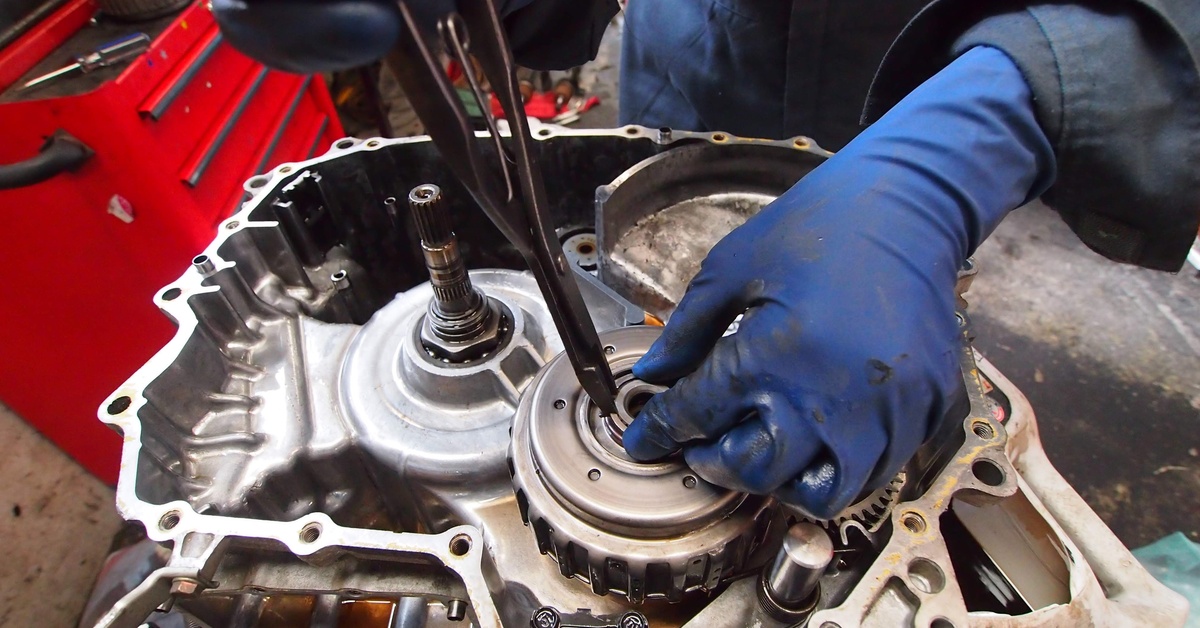
If you notice unusual noises coming from the transmission, such as a persistent whining sound, a distinct grinding when shifting, or even a clunking sensation, these are often clear indicators of internal wear. Such symptoms typically point to issues with the internal gears or bearings, which are critical components for smooth operation. When these noises appear, you may need a professional diagnosis, as they often signify more severe problems that may require a complete transmission to rebuild the underlying mechanical issues and restore proper function.
Extending Transmission Life
To extend the life of your Type 3 transmission, perform regular fluid changes and conduct thorough inspections. Clean fluid is essential for lubrication and cooling, so sticking to a consistent maintenance schedule helps prevent premature wear on internal parts.
You should also try to avoid aggressive driving habits. Actions such as rapid acceleration from a standstill and abrupt, hard shifting place unnecessary and excessive stress on the transmission’s gears and clutches.
Addressing minor issues as soon as they arise is key to avoiding major problems down the line. Small fluid leaks or slight adjustment problems may seem insignificant at first, but they can quickly escalate into more complex and costly repairs if ignored.
By promptly correcting these small concerns, you prevent them from developing into more significant issues that could require extensive work. Ultimately, consistent and proactive maintenance is the single most effective strategy to ensure your transmission remains in good, reliable working order for years to come.
Find Your VW Type 3 Parts
Proper maintenance starts with high-quality parts, especially when it comes to preserving a classic vehicle. For all your Volkswagen Type 3 transmission needs, M&T Manufacturing has you covered. Our wide selection of VW type 3 parts ensures you’ll find everything you need to keep your classic VW running smoothly and reliably, so you can spend more time on the road enjoying your ride.
The Importance of Regular Care
Maintaining your VW Type 3’s transmission isn’t just about addressing issues when they arise; it’s about preventing them altogether. Regular maintenance helps you catch small problems early, before they develop into costly repairs or cause serious damage.
By sticking to a consistent service schedule, you’re protecting your investment and promoting a smoother and more enjoyable driving experience. A well-maintained transmission is the cornerstone of your classic Volkswagen’s reliability, keeping it ready for every adventure you have planned. With VW parts and support from M&T Manufacturing, you can keep your classic vehicle running for years to come.