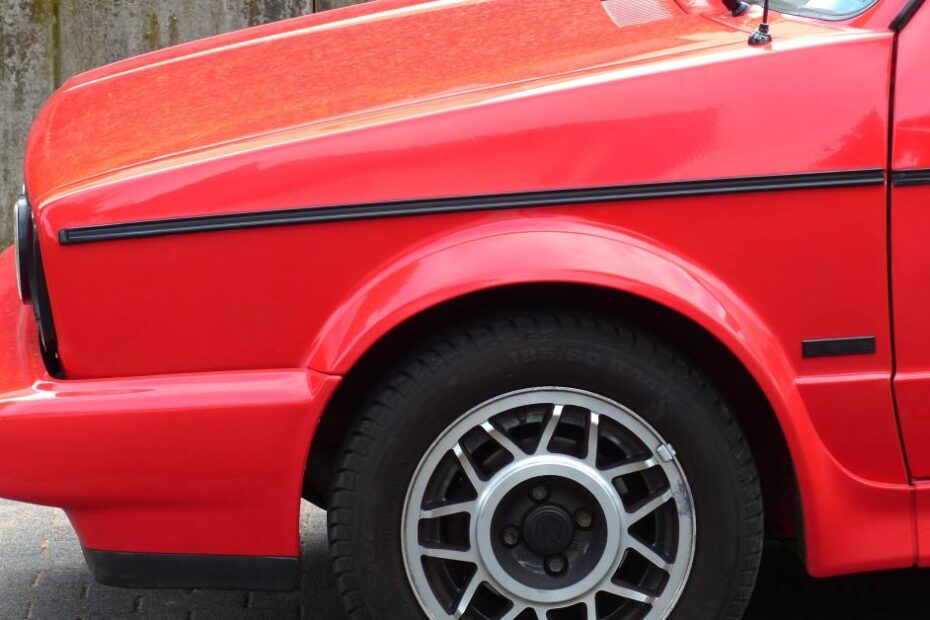
The Volkswagen Rabbit, known as the Golf in most of the world, marked a significant shift for Volkswagen when it was introduced in the 1970s. It was a departure from the rear-engine, air-cooled models that defined the brand for decades. The diesel version of the Rabbit, in particular, quickly earned a reputation for its remarkable fuel efficiency and durability.
Understanding maintenance protocols is essential for preserving the longevity and performance of Volkswagen Rabbit diesel engines.
Understanding Your Diesel Engine
Diesel engines take a different approach to internal combustion than gasoline engines. Diesel-powered engines operate through compression ignition rather than spark ignition, creating higher combustion pressures and temperatures.
Due to this unique operating principle, you’ll take maintenance approaches that differ from conventional gasoline engine care. For example, diesel engines produce more torque at lower RPMs, but they are also sensitive to fuel quality and require lubrication to avoid premature wear.
Oil Change Fundamentals
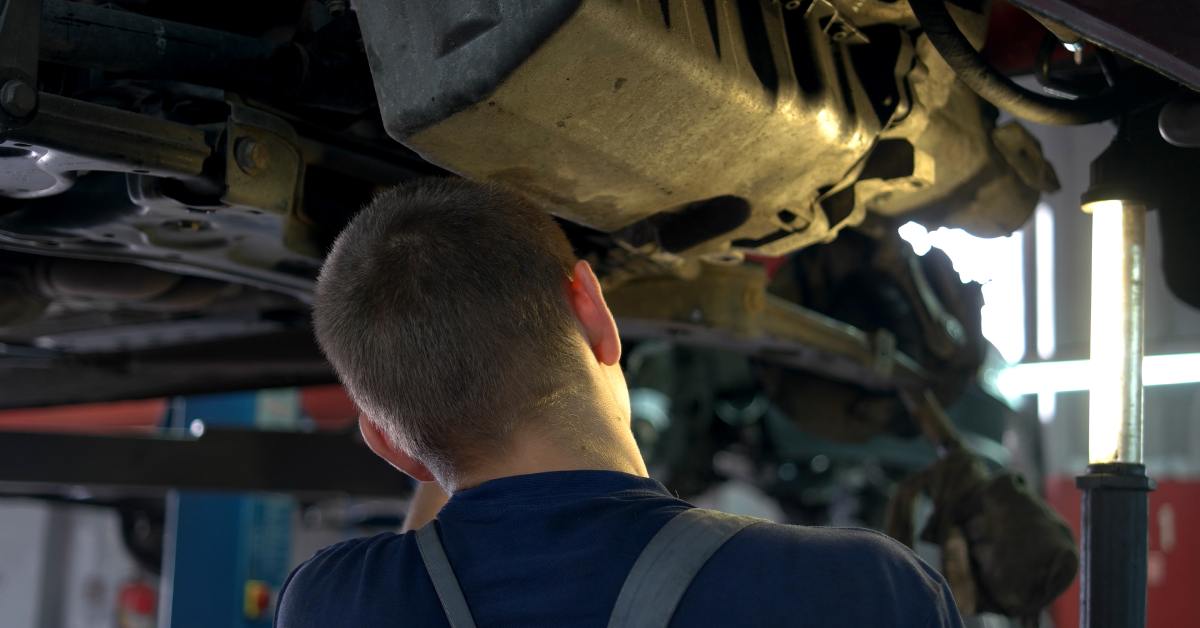
Regular oil changes form the cornerstone of diesel engine longevity. Diesel engines produce more soot and contaminants than gasoline engines, making frequent oil changes even more critical. The high compression ratios and combustion temperatures in diesel engines place tremendous stress on motor oil, causing it to break down more quickly.
Choose oil specifically formulated for diesel applications, typically designated with CJ-4 or CK-4 API ratings. These formulations contain additive packages that neutralize acids, control soot, and maintain viscosity under the extreme conditions found in diesel engines. Synthetic oils provide superior protection and extended service intervals, though they tend to be more expensive than other oil types.
Monitor Regularly
Monitor oil level and condition regularly between changes. Diesel engines may experience slight oil level increases due to fuel dilution, particularly during cold weather operation or frequent short trips. Dark oil color is normal in diesel applications and doesn’t necessarily indicate the need for immediate replacement. This is unlike gasoline engines, where color changes more gradually.
Fuel System Care
The fuel system requires meticulous attention. Diesel injection systems operate at high pressures, and they demand absolute cleanliness throughout the fuel path. Even microscopic contaminants can damage precision injection components, especially in a Rabbit.
Replace fuel filters according to VW recommendations or sooner if you frequently drive in dusty environments. Check if your Rabbit’s engine features dual-stage filtration systems with both primary and secondary filters. The primary filter typically includes water separation capabilities, which are crucial for preventing corrosion and injection system damage.
Water Threats
Water contamination poses a threat to diesel fuel systems. Always drain water separators regularly, and inspect for signs of water intrusion. In cold climates, water can freeze in fuel lines, resulting in a complete system blockage and potential damage to components.
Glow Plug System Inspection
Diesel engines use glow plugs instead of spark plugs. These small heating elements warm the combustion chambers before a cold start, heating the air enough to ignite the diesel fuel.
If your Rabbit is hard to start in the cold, smokes excessively upon startup, or runs rough for the first few minutes, failing glow plugs are likely culprits. The glow plug system includes the plugs, a relay, and associated wiring. Luckily, testing glow plugs with a multimeter is a straightforward process you can do at home! A glow plug in good shape will show low resistance. If one or more plugs are faulty, replace all of them simultaneously to ensure even heating and reliable starting.
Air Filtration
Diesel engines consume massive volumes of air relative to their gasoline counterparts. A single grain of sand passing through the air intake can cause catastrophic engine damage, making regular air filter inspection and replacement nonnegotiable.
Key air filtration practices include the following:
- Inspect air filters monthly, especially after driving in dusty conditions.
- Clean and reuse filters several times before replacement.
- Avoid aggressive cleaning methods that damage filter media.
- Consider high-flow filters designed for diesel engines.
- Address air leaks immediately to prevent unfiltered air entry.
The Cooling System
An overheating diesel engine can sustain severe engine damage, including warped cylinder heads and blown head gaskets.
Coolant and Hose Inspection
Coolant, or antifreeze, contains corrosion inhibitors that protect the radiator, water pump, and engine passages from rust and scale buildup. These inhibitors break down over time. To keep your Rabbit in great condition, flush and replace the coolant every two to three years.
While you are servicing the cooling system, inspect all the radiator and heater hoses. After decades of service, rubber hoses can become brittle, cracked, or swollen. Squeeze the hoses to check for soft or mushy spots, which are signs of internal deterioration. A failing hose can lead to a rapid loss of coolant and cause the engine to overheat quickly.
Water Pump and Thermostat
You may need to fix the water pump, too. This pump circulates coolant through the engine and radiator and is generally reliable. However, the bearings and seals can wear out over time. Signs of a failing water pump include coolant leaks from the pump itself, a whining or grinding noise from the front of the engine, or an overheating engine.
Transmission and Drivetrain
While much focus is placed on the engine, the transmission and drivetrain are equally important for the overall health of the vehicle. Regularly checking transmission fluid levels and quality ensures smooth gear shifts and prevents premature wear. For manual transmissions, clutch adjustments may be necessary over time to maintain engagement and prevent slippage.
Inspect drivetrain components, such as CV joints, axles, and differentials, for wear and damage. Sufficient lubrication and timely replacement of worn parts prevent breakdowns and help your Rabbit maintain reliable performance.
Quality Replacement Parts
Using genuine or high-quality replacement parts is essential for maintaining the integrity of your Rabbit. From belts and filters to more specialized components, investing in VW Rabbit parts ensures compatibility and preserves the vehicle’s performance characteristics.
M&T Manufacturing offers a range of components and restoration solutions that meet the unique demands of old Volkswagen models. Choosing the right parts not only enhances performance but also contributes to the safety and efficiency of your vehicle!
Restoration and Preservation
Following these essential tips for diesel maintenance can keep your Volkswagen Rabbit in great shape. You can take pride in preserving the unique driving experience that made the Rabbit such a beloved vehicle. Explore M & T Manufacturing when you need replacement parts.