Buying a used Volkswagen Beetle is a nod to automotive heritage, making it a smart investment for anyone seeking a unique, reliable, and rewarding vehicle. The Beetle’s reputation for undeniable charm, versatility, and surprising practicality means it captures the attention of seasoned auto professionals and passionate DIYers alike. Use these tips for buying a used Volkswagen Beetle to find the best vehicle for your needs.
Set a Realistic Budget
Before seeking out your ideal Beetle, you need a well-informed budget that extends beyond the purchase price. Factor in age, mileage, model year, and condition, as well as the regional demand for Beetles, all of which play a direct role in current market pricing. Data from Kelley Blue Book and NADA Guides show various prices based on originality and documented service histories.
Experienced buyers also build in a reserve for major repairs, particularly for rust repair, wiring replacement, or drivetrain overhauls. Evaluate costs upfront, including insurance and licensing fees, to avoid overrunning your budget.
Identify Needs and Preferences
Understanding what you want is a must before you start shopping. Classic Beetles (pre-1980s air-cooled models) appeal to purists and restoration pros seeking originality and historical value. Modern interpretations, such as the New Beetle (1998 to 2011) and the Beetle A5 (2012 to 2019), offer contemporary performance and enhanced comfort for daily drivers, often at a lower entry cost. Choices such as convertible versus coupe and various trim packages will determine the complexity and resale value of the vehicle.
Generational distinctions among Beetles are more than skin-deep. The original air-cooled designs, produced until 2003, boast legendary simplicity. These vehicles are highly sought-after by enthusiasts for their historical value and ease of customization. The New Beetle introduced front-engine, water-cooled layouts, increasing interior comfort while adding some complexity.
The A5 Beetle further shifted focus to sporty handling and sophisticated amenities, appealing to a new wave of drivers and restoration specialists. When choosing among these generations, consider the availability of parts, local expertise, and your intended use case. Each offers a unique mix of character, value, and technical demand.
Navigate the Used Beetle Market
Finding a trustworthy source for your used Beetle is vital for quality assurance and long-term support. Many successful acquisitions begin at specialty dealerships, reputable restoration shops, or through the expanding network of enthusiast-led classifieds.
Reputable suppliers frequently offer a verified history or preliminary inspection, which streamlines your decision-making process and boosts confidence. Professionals also establish relationships with trusted sellers to maintain steady access to classic Beetle parts and rare trims.
Recognize Common Beetle Issues
Every generation of Beetle comes with its quirks, but classic models, especially air-cooled variants, share a distinct set of common concerns. Rust, particularly in floor pans, rocker panels, and lower fender sections, consistently ranks as the largest threat to structural longevity. Engine wear, oil leaks, faulty electrics, and aging suspension bushings are other prevalent issues.
Newer models often have problems like failed transmissions or water ingress around doors and trunks. Savvy buyers prioritize vehicles where such concerns have already been addressed or plan for preventive maintenance with high-quality aftermarket parts for reliability.
Examine the Vehicle History and Ownership
Insisting on a detailed vehicle history report is a nonnegotiable step in any used Beetle purchase. Services like Carfax and AutoCheck reveal invaluable details about the vehicle, including its accident history, title status, and potential odometer fraud. A thorough review uncovers prior flood damage, salvage designations, or inconsistent mileage readings, each of which impacts value and safety.
Reliable owners or sellers provide maintenance documentation, registration records, and receipts for replacement parts. Confirming the chain of ownership and proper paperwork protects your investment, shields you against legal disputes, and ensures your restoration’s legitimacy.
Conduct a Thorough Inspection
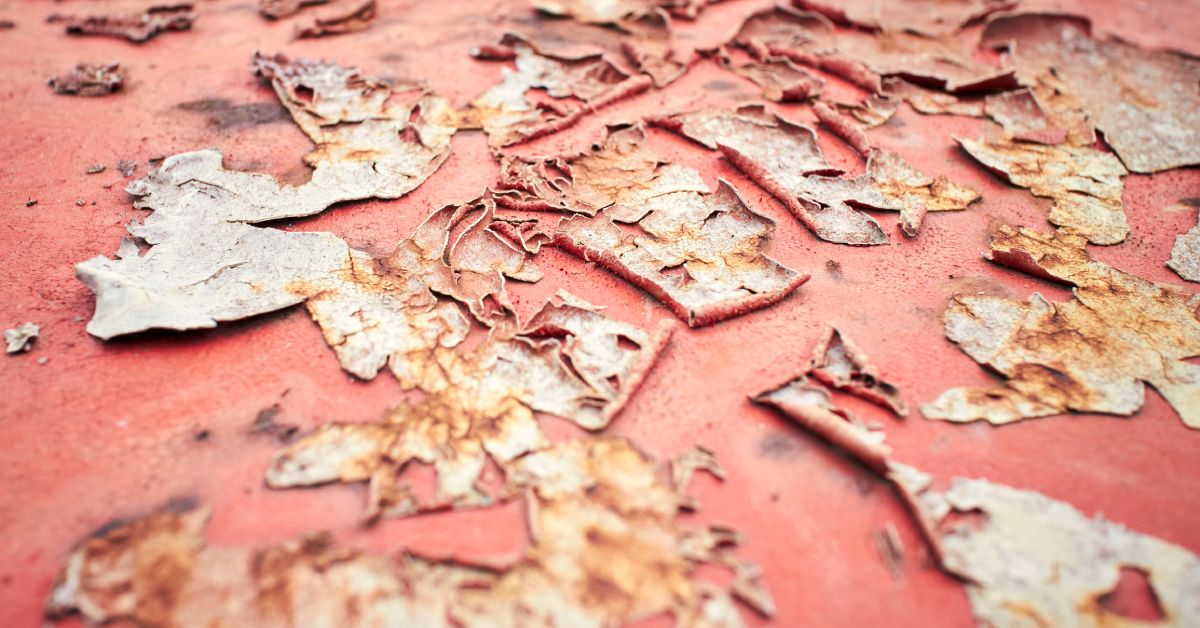
A diligent inspection is central to any successful Beetle purchase, especially if you want to avoid costly, unforeseen repairs. Examine the exterior closely for bubbling paint, uneven gaps, and sagging doors, all of which are indicative of rust or an accident history. Inside the vehicle, check the upholstery for water staining, dashboard electrics for proper functioning, and under the car for fluid leaks or corrosion.
Pay particular attention to the undercarriage and wheel wells, as hidden rust seriously undermines safety. Assess the engine, listening for irregular noises, which may signal immediate attention is needed. A flashlight and simple diagnostic tools reveal more than a quick once-over, making them worth investing in if you don’t already have them.
Get a Professional Inspection Too
Relying solely on your expertise for an inspection sometimes overlooks specialized or subtle issues. That’s why a prepurchase inspection by a Volkswagen-certified mechanic is so important. Professionals test compression, verify chassis alignment, and evaluate transmission and suspension integrity.
Take a Test Drive
The test drive is your best opportunity to feel the car’s performance and comfort firsthand. Evaluate the steering precision, braking response, clutch engagement, and transmission smoothness. Drive under a range of conditions if possible, including city streets and highways, to check for vibrations, misfires, or unusual noises.
Vintage Beetles should idle smoothly, shift gears predictably, and remain stable during cornering. If you’re testing a modern model, try all the electronic features and HVAC systems. A well-maintained car will deliver a confident and enjoyable ride, free from excessive rattles or hesitation, confirming your investment in quality.
Negotiate With Confidence
Effective negotiation can lower your final cost. Be ready with recent comparable sales data, clear documentation from your inspections, and a comprehensive understanding of the vehicle’s condition when buying a used Volkswagen Beetle. Present inspection results and market listings to justify your offer, emphasizing identified work required or missing parts as valid leverage points.
Private sellers may offer more pricing flexibility, while dealerships often include service packages or post-sale support that add value to the purchase. Maintain professional and data-driven communications, aiming for a price that reflects quality and your budget targets.
Calculate Maintenance and Repair Costs
Keeping a used Beetle running at its best requires ongoing investment in maintenance, replacement parts, and the occasional specialist repair. Classic Beetle models benefit from a large aftermarket scene, with suppliers of high-quality parts readily available, such as M&T Mfg. Modern Beetles have more advanced systems, increasing part costs and repair complexity. Knowing where to source authentic parts boosts reliability and resale value.
A used Volkswagen Beetle is more than just a vehicle; it’s a piece of history that offers enthusiasts the chance to drive a car trusted by generations. Start your search today, secure authentic parts with us, and join a vibrant, global community of Beetle aficionados committed to quality and tradition.