The Volkswagen Thing is a classic vehicle celebrated for its unique design and rugged simplicity. Owning one of these distinctive cars connects you to a passionate community of enthusiasts. However, like any classic vehicle, it can present maintenance challenges, with one of the most common being a mysterious and frustrating battery drain.
Addressing the electrical issues behind your battery problems ensures your vehicle is ready for the road and protects its vital components from long-term damage. This guide will walk you through identifying the sources of battery drain and provide troubleshooting solutions to keep your VW Thing reliable.
Common Causes of Battery Drain in VW Things
Understanding the potential culprits behind a dead battery is the first step toward a solution. Several common issues can cause your VW Thing’s battery to drain when it is parked. Identifying the specific cause helps you make the right repair with the right components.
Faulty Alternator or Voltage Regulator
Your vehicle’s charging system, consisting of the alternator and voltage regulator, is essential for maintaining electrical health. The alternator powers the electrical system and charges the battery while the engine runs. A failing alternator may not generate enough current, causing the battery to lose power, even on short drives.
The voltage regulator controls the power sent to the battery. A faulty regulator can undercharge or overcharge the battery, damaging it and causing starting issues. Replacing faulty alternators, generators, or regulators can restore optimal charging system performance.
Parasitic Draw from Aftermarket Accessories
Adding modern accessories like sound systems or USB ports to your VW Thing can inadvertently cause a parasitic draw—continuous battery drain when the vehicle is off. This often happens when accessories are wired directly to the battery instead of a switched ignition source. Even factory components, such as a faulty interior light, can cause similar issues.
Corroded or Loose Wiring Connections
Decades of exposure to heat, moisture, and vibration can corrode connections or loosen wiring in classic cars like the VW Thing. Corrosion on battery terminals and ground straps increases resistance, limiting the alternator’s ability to charge the battery fully.
Loose connections can disrupt charging and create parasitic drains. Inspect and clean terminals, ground straps, and cables. Replace damaged components to maintain clean, secure connections.
Failing Battery
A worn-out battery may simply be at the end of its lifespan, typically 2–5 years. Old batteries lose the ability to hold a charge, leading to weak starts or failure, particularly in extreme temperatures. Internal short circuits can also cause rapid self-discharge.
Step-by-Step Troubleshooting Guide
Follow these steps to pinpoint and resolve battery issues. Always disconnect the negative terminal before working on the electrical system.
Checking the Alternator and Voltage Regulator
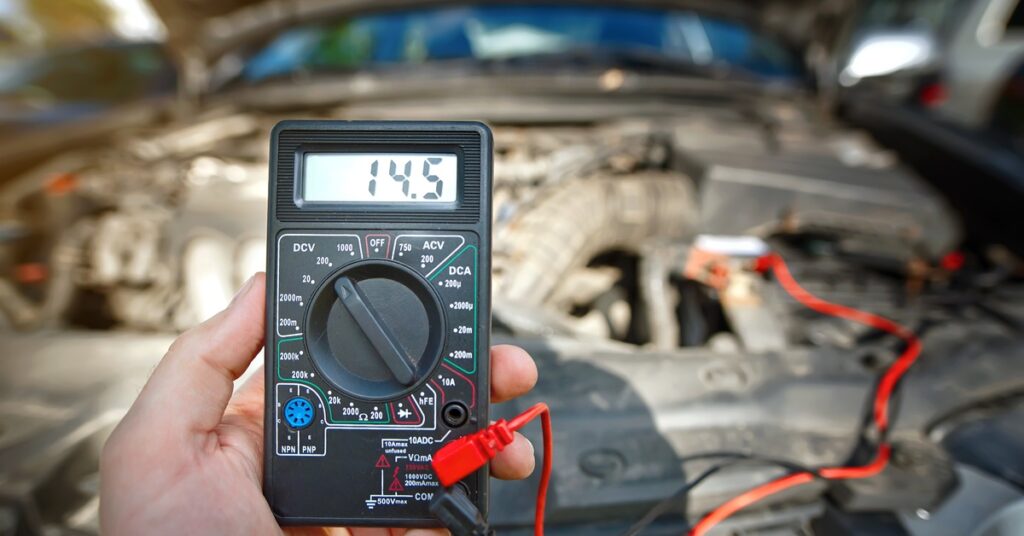
Using a multimeter, test the battery voltage with the engine off—it should read 12.4–12.6 volts. Start the engine and recheck; a healthy charging system should yield 13.5–14.5 volts. Readings below 13.5 volts indicate a weak alternator, while readings above 14.5 volts suggest a faulty regulator.
Identifying Parasitic Draws with a Multimeter
Switch your multimeter to DC amps (10A or 20A range). Disconnect the negative battery cable and connect the multimeter in series between the cable and battery post. After allowing electronics to power down, a normal reading should be under 50mA.
If the reading is higher, remove fuses one by one until the reading drops, identifying the problematic circuit. Use spare fuses and proper wiring to resolve the issue.
Inspecting and Cleaning Wiring Connections
Inspect battery terminals for corrosion (white or bluish powder). Clean them with a wire brush or terminal cleaner. Check the positive and negative cables for damage, and ensure the ground connections to the chassis and engine are tight and clean.
Replace damaged cables and hardware as necessary. Should you find compromised battery cables or grounding straps, M & T Manufacturing offers a wide selection of electrical parts and wiring harnesses to ensure your connections are clean and secure.
Testing Battery Health
To test the battery, check its voltage after sitting overnight with cables disconnected. A significant voltage drop indicates it’s failing to hold a charge. Use a battery load tester to confirm if it delivers enough cranking amps.
Preventing Future Battery Drain Issues
Once you have resolved your current battery drain problem, taking a few preventive measures can help you avoid similar issues down the road. Consistent care and smart upgrades will enhance your VW Thing’s reliability and protect your investment.
Regular Maintenance and Inspections
Proactive maintenance is the best defense against electrical problems. Every time you change the oil, take a few minutes to inspect the battery terminals and cables for signs of corrosion or wear. Ensure all connections are tight and clean them as needed.
Checking your alternator belt for proper tension is also important, as a loose belt can slip and prevent the alternator from charging effectively. By incorporating these simple checks into your routine, you can catch potential problems before they leave you stranded.
Upgrading the Charging System
For owners who have added modern electronics or who simply want more dependability, upgrading the charging system can be a worthwhile investment. Replacing an original generator with a more efficient alternator conversion kit can provide a more consistent and powerful charge, especially at low RPMs.
Upgrading to thicker-gauge battery cables can also improve electrical flow and reduce resistance in the system. Quality modern components are available that are designed to fit classic Volkswagens, giving you the best of both modern reliability and vintage style.
Proper Storage During Off-Season
Many VW Thing owners store their vehicles during the winter months. If you leave them unattended, the battery will naturally self-discharge over time. To prevent this, consider using a battery tender or a smart charger, which monitors the battery’s voltage and provides a small charge only when needed.
Alternatively, you can disconnect the battery completely and store it in a cool, dry place. Taking these steps ensures that when spring arrives, your VW Thing’s battery will be healthy and ready for another season of adventure. Car covers can also help protect your vehicle’s exterior during storage.
A dead battery in your Volkswagen Thing can be a major inconvenience, but it is a problem that can be solved with a systematic approach. By understanding the common battery drain causes, carefully troubleshooting the issue, and performing regular maintenance, you can ensure your VW Thing remains a reliable source of enjoyment.
With the right parts and a little patience, you can keep your Thing’s electrical system in top condition for years to come. If you’re looking for Volkswagen Thing parts to repair or replace electrical and battery components, visit M & T Manufacturing to find everything you need.