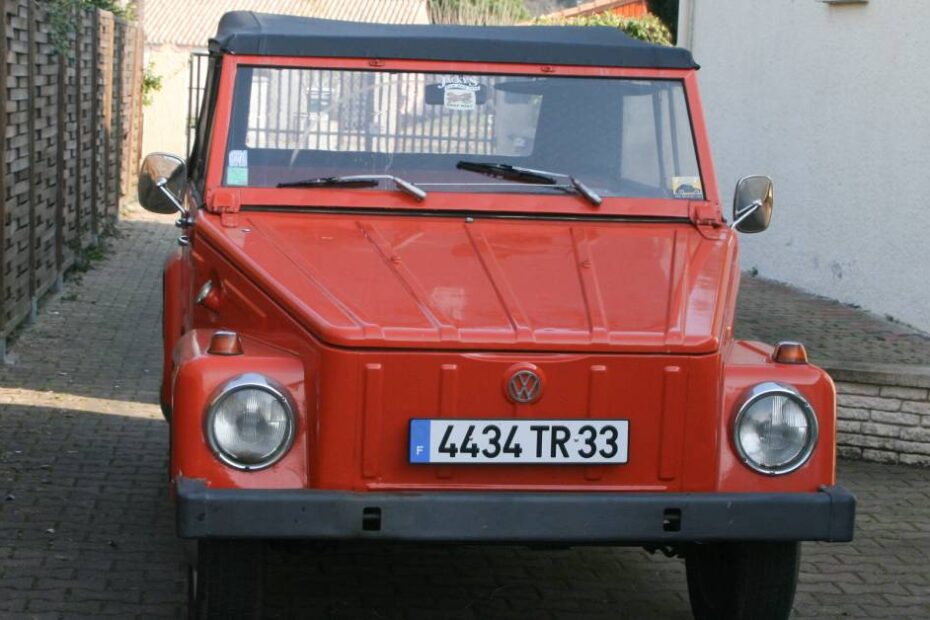
For vintage car enthusiasts, few vehicles are as unique, quirky, and fun to restore as the Volkswagen Thing. Originally known as the Type 181, the VW Thing is beloved for its boxy military-inspired shape, fold-down windshield, and removable doors. Produced in the 1970s, this offbeat vehicle deserves its cult following.
If you’re dreaming of your first restoration or are a seasoned collector looking for your next challenge, use this guide. We outline practical and strategic tips for buying a Volkswagen Thing project car so you can invest wisely.
Know What You’re Getting Into
Before you start browsing listings, it’s important to understand that restoring a VW Thing is a labor of love. These vehicles are over 40 years old, which means even the best-preserved examples will require attention. Some projects are mostly cosmetic, while others require full frame-off restoration. Be realistic about your mechanical abilities, budget, and time commitment. A well-informed buyer makes better decisions and avoids costly surprises.
Set a Budget That Includes Everything
One of the most common mistakes is underestimating the total cost of restoration. It’s easy to focus on the sticker price of the project car and overlook the costs associated with bringing it back to life. Your budget should include these items:
- the purchase price
- replacement parts for the body, interior, and engine
- labor, if you’re hiring professionals
- tools and workspace
- registration and inspection fees
- safety and performance upgrades
Don’t forget to factor in the availability and cost of parts. Fortunately, M&T Manufacturing offers a wide selection of VW Thing accessories and restoration parts to help you stay on budget.
Rust Is the Real Enemy
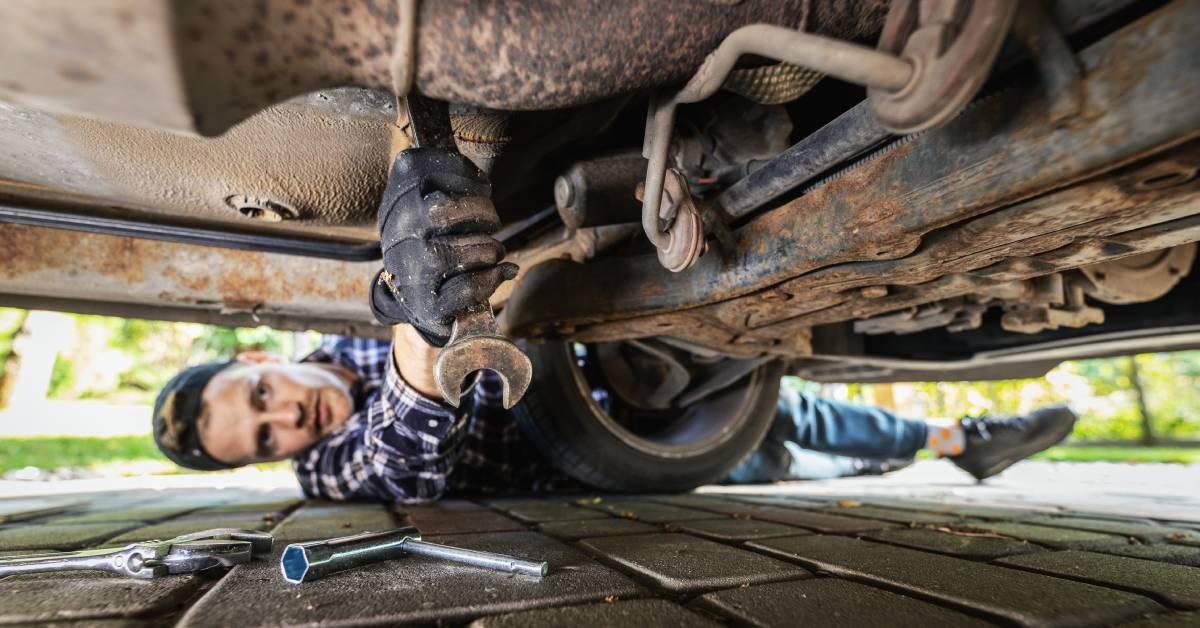
The VW Thing features a mostly flat body design, which makes bodywork more straightforward; however, structural rust is a serious concern.
Inspect these key areas:
- floor pans and undercarriage
- frame rails
- suspension mounts
- rocker panels
- battery tray area
If you see bubbling paint, flaking metal, or holes, probe the area with a screwdriver. Some surface rust is treatable, but structural corrosion might require cutting and welding. A rolling shell with heavy rust could turn a 3,000-dollar project into a 15,000-dollar headache.
Check the VIN and Title Status
Always verify the vehicle identification number (VIN). On a VW Thing, you’ll typically find it on a metal plate in the engine compartment and possibly stamped on the chassis. From there, ensure the VIN matches the title. A clean, matching title makes registration and future resale much easier. Avoid vehicles with salvage titles, missing paperwork, or VIN inconsistencies. These can cause significant legal and logistical hassles later.
Evaluate the Engine and Transmission
The VW Thing came with a 1.6-liter air-cooled engine—simple, durable, and easy to work on. But after decades of use, many of these engines are worn out and must be replaced. Check for oil leaks, blue or black exhaust smoke, unusual engine noises, or difficulty starting or idling. If possible, do a compression test. A non-running engine isn’t necessarily a dealbreaker, but it will raise your costs.
The VW Thing also came with a 4-speed manual transmission. Look for signs of gear grinding, clutch slippage, or trouble shifting.
Assess the Body and Interior
While the Thing’s exterior design is famously boxy and simple, body condition still matters. Check for misaligned doors and panels, previous body filler or patchwork, or missing body parts (for example, doors, fenders, or the hood). Minor dents and dings are fixable, but major structural damage may be expensive to address.
The VW Thing has a basic, utilitarian interior. That simplicity reduces restoration costs, but missing or broken components can still add up.
Inspect these components:
- dash condition and original gauges
- seat frames and cushions
- functioning switches, knobs, and lights
If many interior parts are missing, you’ll need to hunt down replacements or invest in reproduction parts.
Inspect the Electrical System
The VW Thing uses a basic 12-volt electrical system, which is one of its appealing features for restorers. Its simplicity makes troubleshooting easier, but after more than four decades, most original wiring harnesses have become brittle, frayed, or damaged.
As you inspect the car, look closely for any exposed wires or cracked insulation that could lead to shorts or electrical failures. Signs of amateur repairs, such as mismatched connectors, electrical tape splices, or nonstandard routing, can indicate that someone tampered with the system over the years. You should also test the lights, switches, and wipers to ensure they function properly.
If the wiring looks unsafe or if multiple components don’t work, you should plan on replacing the harness altogether. Many restorers choose to install modern harness kits, which offer improved reliability and easier installation while maintaining the vehicle’s original character.
Ask the Right Questions
When talking to the seller, ask questions beyond what you see in the listing.
Start with the following:
- How long has it been off the road?
- Was it stored indoors or outside?
- What parts are missing?
- Are there receipts or documentation of repairs?
- Why are you selling it?
An honest seller should be willing to answer all of these clearly. If someone is evasive, rushes the sale, or won’t let you inspect the car thoroughly, it’s best to walk away.
Take a Test Drive, If You Can
If the Volkswagen Thing runs, take it for a drive. Even a short spin around the block can be incredibly revealing. As you drive, focus on how the car accelerates and how responsive the throttle feels. Pay attention to how the clutch engages and whether the gear changes are smooth or difficult.
Test the brakes to see how well they respond, and listen for any strange noises during deceleration. The steering should feel relatively tight, without excessive play or pulling to one side.
If the car won’t start, try turning the engine by hand, and conduct a thorough visual inspection of the drivetrain. You may not get the full picture, but these steps can still help you evaluate the car’s mechanical condition before making a commitment.
Start Your Restoration
There’s something undeniably charming about the VW Thing. Its playful personality, vintage simplicity, and open-air design make it a joy to own and restore. But restoration starts with a smart purchase. By following these tips for buying a Volkswagen Thing project car, you give yourself the best chance of success, saving time, money, and frustration along the way.